
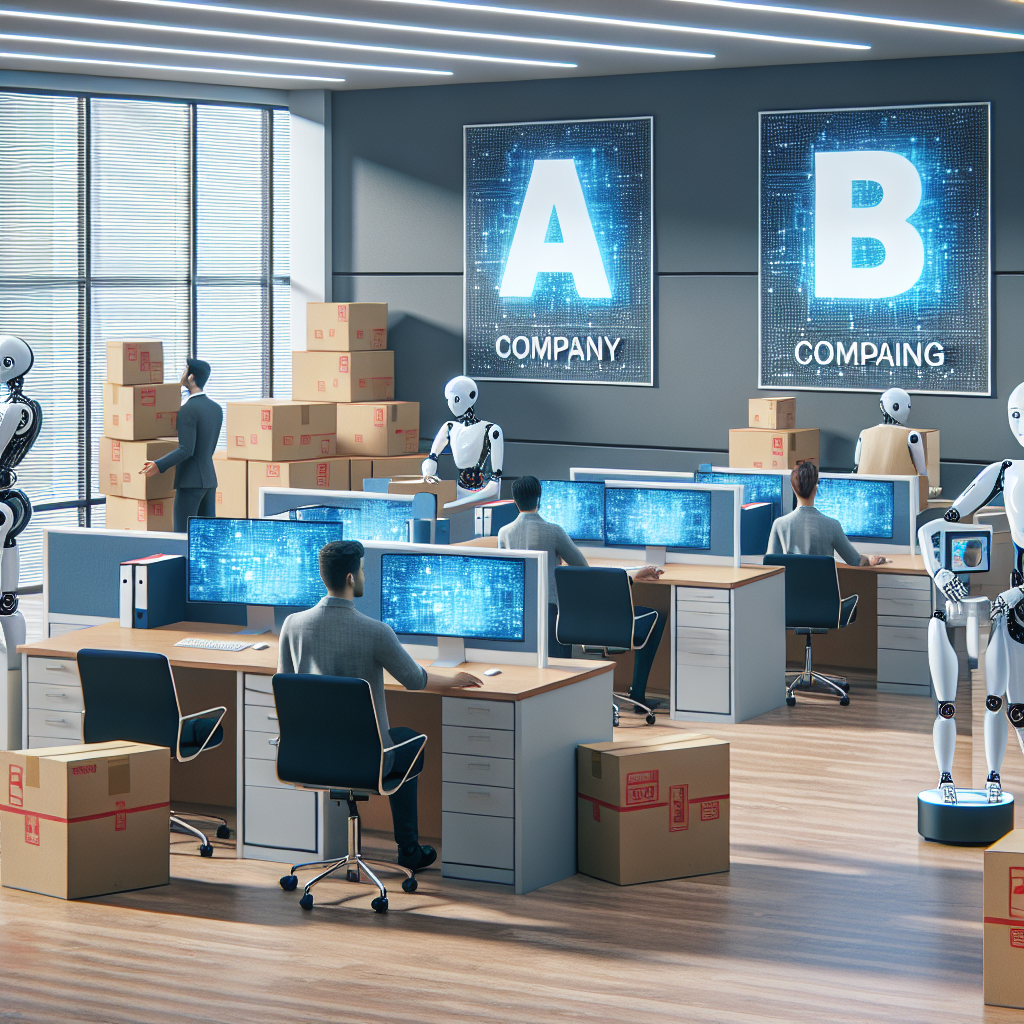
Indeed and Glassdoor Layoffs Rise Amid Growing AI Integration
The job market is feeling the weight of artificial intelligence (AI) — not just for job seekers, but also within the organizations designed to help people find work. Two of the largest employment-focused platforms, Indeed and Glassdoor, have recently announced significant layoffs. The parent company, Recruit Holdings, made the decision to restructure teams as AI becomes more capable of handling tasks traditionally managed by humans.
Tech Industry Layoffs Continue in 2024
The tech industry has been grappling with waves of job cuts due to market shifts, budget optimization, and now increasingly, the integration of advanced AI tools. On May 15, Recruit Holdings, the Japanese conglomerate that owns both Indeed and Glassdoor, confirmed that both platforms are undergoing job reductions impacting approximately 1,000 employees, or 8% of Indeed’s workforce.
Indeed CEO Chris Hyams cited the need to “simplify our organization and reprioritize investments” as a critical reason behind the layoffs. With advancements in AI automating many essential operational processes, fewer human roles are now necessary to maintain and grow their platforms.
Key Facts Behind the Layoffs:
- 1,000 jobs cut across Indeed and Glassdoor, with most of the job losses coming from the U.S.-based operations.
- AI adoption has increased, allowing automation of recruiting processes that traditionally relied on human input.
- Second round of layoffs for Indeed since early 2023 — the company previously cut 15% of its workforce last year.
AI’s Impact on Human Capital Management
The growing application of AI in recruitment platforms is reshaping how staffing agencies and job boards function. From resume screening to job-candidate matching, AI systems can:
- Analyze millions of applications in seconds
- Match job seekers with postings using machine learning algorithms
- Automate communications such as interview scheduling and follow-ups
Hyams noted that while the platforms will always require human oversight, AI has now become a strong productivity multiplier. This has led to the streamlining of product, design, engineering, sales, and client success teams across both brands.
What Does This Mean for the Job Market?
Ironically, the companies designed to help people find jobs are laying off their own staff due to the same AI innovations that promise to enhance the hiring process. This has created a fragmented environment where tech professionals, recruiters, and customer service agents are seeing fewer opportunities within the very platforms they support.
As platforms like Indeed and Glassdoor adjust their structures, professionals in these sectors will need to reskill or upskill to remain relevant. Some growing areas of demand now include:
- AI ethics and governance
- Machine learning operations
- Natural language processing (NLP)
- Prompt engineering
Recruit Holdings’ Long-Term AI Vision
Recruit Holdings has been investing heavily in AI to remain competitive. According to official statements, their long-term strategy involves transforming their recruitment platforms into AI-first companies. This means:
- Prioritizing AI features in job matching and automation
- Cutting redundant roles that AI can perform more efficiently
- Investing in proprietary AI tools to deliver smarter results to employers and job seekers
Glassdoor and Indeed have also teamed up on shared AI projects to bring deeper insights to employers and candidates through automated sentiment analysis, engagement tracking, and market trend data.
Challenges Ahead
However, the pivot to AI is not without challenges. Many professionals worry that the rise of automation could:
- Eliminate human judgment and empathy from the recruitment process
- Reinforce bias in hiring if algorithms are not properly designed
- Leave thousands unemployed in industries that are traditionally people-centric
As AI responsibilities increase, so too does the need for transparency and compliance with employment law. Recruit Holdings has promised to maintain ethical AI standards while reducing its workforce, but only time will show how that balance plays out.
What Job Seekers and Employers Should Expect
For job seekers, the digital job search may become faster and more personalized. AI-powered tools integrated into platforms like Indeed and Glassdoor are expected to:
- Provide smarter, real-time job recommendations
- Offer optimized resume feedback using NLP
- Customize alerts based on candidate behavior
Employers, on the other hand, will benefit from cost reduction and efficiency. AI tools can help:
- Reduce time-to-hire through automated screening
- Increase diversity when managed correctly
- Streamline the application funnel without added HR resources
Future of Work: Opportunities and Risks
AI in recruitment is undoubtedly reshaping the landscape. For platforms like Indeed and Glassdoor, it’s a double-edged sword: while streamlining operations and improving user experiences, it’s also displacing workers responsible for those experiences in the first place.
The workforce of the future will need to be flexible, tech-savvy, and continuously learning. Those who work in product management, engineering, and client services must adapt to an era where AI is embedded into every level of the value chain.
How to Prepare for an AI-Centric Job Market
To stay ahead, professionals should:
- Invest in technical skills, particularly related to data, AI, and analytics
- Follow industry trends and understand how AI is impacting your sector
- Develop soft skills like critical thinking, communication, and emotional intelligence, which AI struggles to replicate
Conclusion
As AI continues to evolve, so too will the structure of companies that rely on it. The layoffs at Glassdoor and Indeed are not isolated incidents — they represent a broader industry shift towards leaner, scalable, and AI-powered operations. Although difficult in the short term, these changes open new doors for innovation and career growth — provided the workforce adapts quickly enough.
In the coming years, companies must walk the tightrope between embracing innovation and preserving employment. AI is here to stay — the question is, how will you leverage it to stay competitive in an ever-shifting job market?