
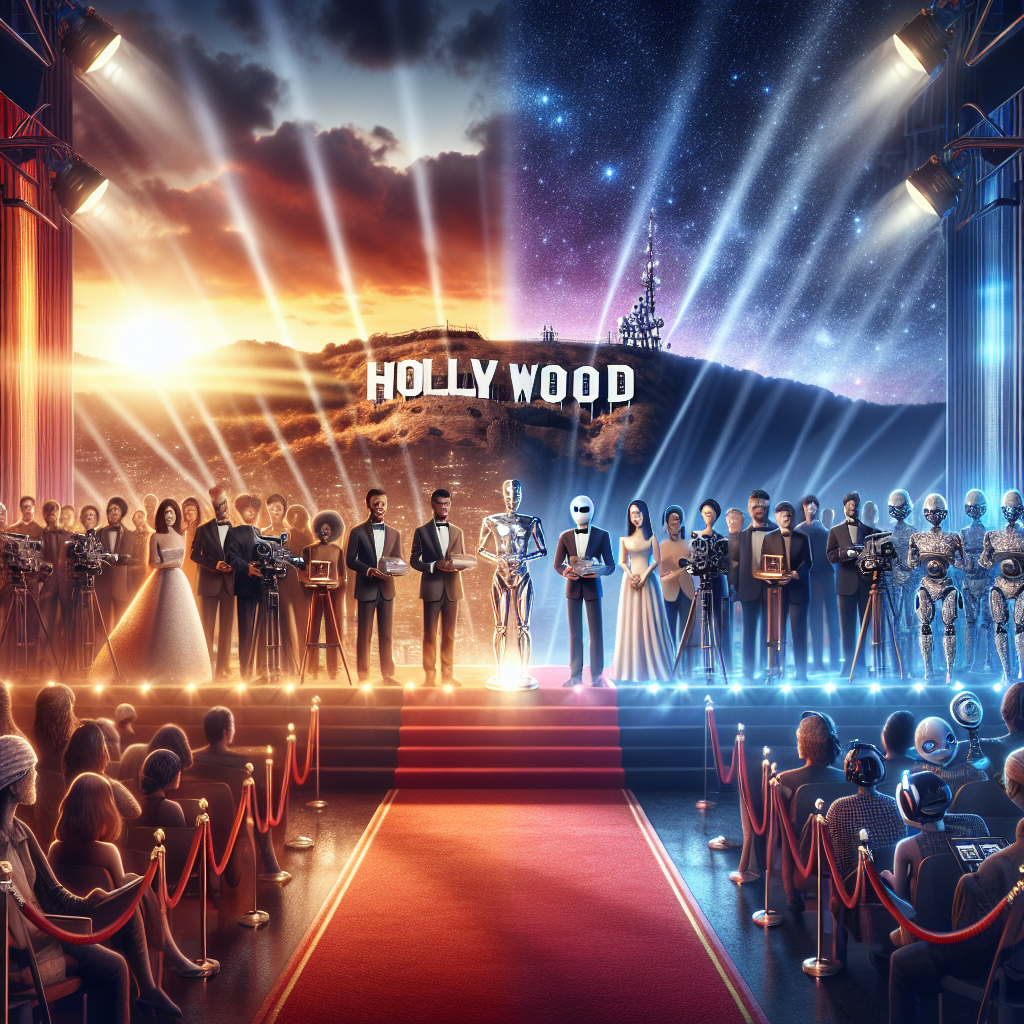
How AI Is Reshaping Hollywood’s Awards Season Landscape
The Arrival of AI in Tinseltown
The digital revolution is no stranger to Hollywood, but artificial intelligence (AI) may be its most disruptive wave yet. Once relegated to sci-fi scripts or background tools, AI has moved into the limelight, influencing everything from screenplay generation to visual effects. Now, it’s even taking the stage during awards season, prompting debates about creativity, authenticity, and the future of recognition in the entertainment industry.
As studios and creatives explore AI’s capabilities, entertainment guilds and awards organizations are facing tough questions: What defines original artistry in the age of algorithms? How should AI-assisted work be judged? And who gets the credit when machines start playing a key role in storytelling?
Creative vs. Computational: Redrawing the Lines
One of the most contentious debates centers around how to evaluate AI in creative roles. Organizations like the Writers Guild of America (WGA) and Directors Guild of America (DGA) are grappling with how — or if — AI-generated content should be eligible for awards.
The crux of the issue comes down to authorship. If a screenplay is partially generated by AI, should it be considered under the “Original Screenplay” category? Can a director still claim full creative control if visual effects or scenes are produced with machine learning tools? These are not just philosophical questions, but ones with implications for eligibility rules and industry standards.
Examples of AI in Creative Work
- The use of natural language processing tools to aid scriptwriting.
- Deepfake technology to de-age actors or recreate deceased performers for biopics.
- AI-based editing software that recommends cinematography tweaks or narrative pacing.
While these tools are often positioned as aids rather than replacements, their growing influence is making traditionalists wary.
Guilds and Awards Bodies Take a Stand
In 2023, the WGA took a definitive stance during its contract negotiation with studios by proposing limits on AI’s role in credited writing. They argued that AI should not be allowed to write or rewrite literary material, nor should preexisting AI-generated content be considered source material.
This move sent a strong signal: human creativity remains the bedrock of industry recognition.
Similarly, the Academy of Motion Picture Arts and Sciences (AMPAS), the organization behind the Oscars, has been scrutinizing how tech-driven projects fit into their awards matrix. While the Academy has embraced advancements in cinematography and effects, the use of AI in central storytelling roles threatens to upend core definitions of authorship — a cornerstone of award attribution.
Current Awards Restrictions
- The Academy currently does not recognize AI entities or tools as eligible individuals for awards.
- Rules require that eligible work reflect a “principal creative contribution” by a human.
- Hybrid projects must be carefully scrutinized to ensure transparency about how AI was used.
Technological Evolution vs. Traditional Recognition
The entertainment world is no stranger to technological disruption. The introduction of sound, color, CGI, and streaming each faced initial pushback before becoming normalized. AI, however, poses a unique challenge because of its ability to mimic, predict, and even originate creative work.
Unlike past technologies, which enhanced human output, AI has the potential to replace some stages of the creative process. That raises questions not just about jobs, but about what should be lauded as award-worthy creativity.
The Human Touch: Why It Still Matters
Industry veterans argue that AI lacks the emotional nuance, lived experience, and cultural awareness that human creators bring. While an AI can generate a statistically compelling storyline, it may not capture the complex, subtextual messaging that resonates deeply with audiences.
Here’s why human craftsmanship must remain at the center:
- Authentic storytelling stems from lived human experiences and emotional intelligence.
- The collaborative process — a hallmark of filmmaking — is inherently human.
- Audiences connect with stories that reflect real-world nuance, which AI doesn’t inherently understand.
The Path Forward: Hybrid Creativity
Rather than positioning AI as a threat, some filmmakers see it as a collaborator. It offers new tools for exploration, allowing creators to push boundaries in storytelling, design, and pacing. This has given rise to what some are calling the era of “hybrid creativity.”
For instance, AI can handle grunt work in post-production or suggest dialogue options during script development, letting writers focus on nuance and originality. The future may lie in developing ethical frameworks and transparent credits systems that recognize both human and machine contributions — without conflating the two.
Pros of AI as a Collaborative Tool
- Faster turnaround times for visual effects and editing.
- Inspiration or idea generation for scripts.
- Cost-effective pre-visualization of complex scenes or settings.
Still, for awards season, where legacy, prestige, and individual contribution matter more than market efficiency, the line between assistance and authorship will continue to be fiercely debated.
Conclusion: Redefining Excellence in the AI Age
As Hollywood navigates the changing tides of AI integration, one thing is clear: the definition of artistic excellence is evolving. While AI brings efficiency and new possibilities, the heart of awards season — honoring human ingenuity and emotional impact — must not be compromised.
The role of industry guilds, voters, and regulatory bodies will be crucial in shaping ethical parameters that preserve creativity, ensure fairness, and celebrate innovation. Awards may eventually introduce new categories or form separate tracks for AI-assisted content, much like how animation or foreign films have their own recognition paths.
For now, the industry must strike a careful balance — embracing the future while safeguarding the human heartbeat of storytelling.
Key Takeaways:
- AI is making significant inroads into Hollywood award considerations, sparking both excitement and concern.
- Guilds and award bodies are asserting the primacy of human creativity in determining eligibility.
- A hybrid model, combining human storytelling with AI tools, may become the new industry norm.
- Clearer guidelines and ethical frameworks are needed to navigate the awards season amid technological disruption.
In the end, it’s not just about who wins the Oscar — it’s about what kind of creativity we choose to honor.