
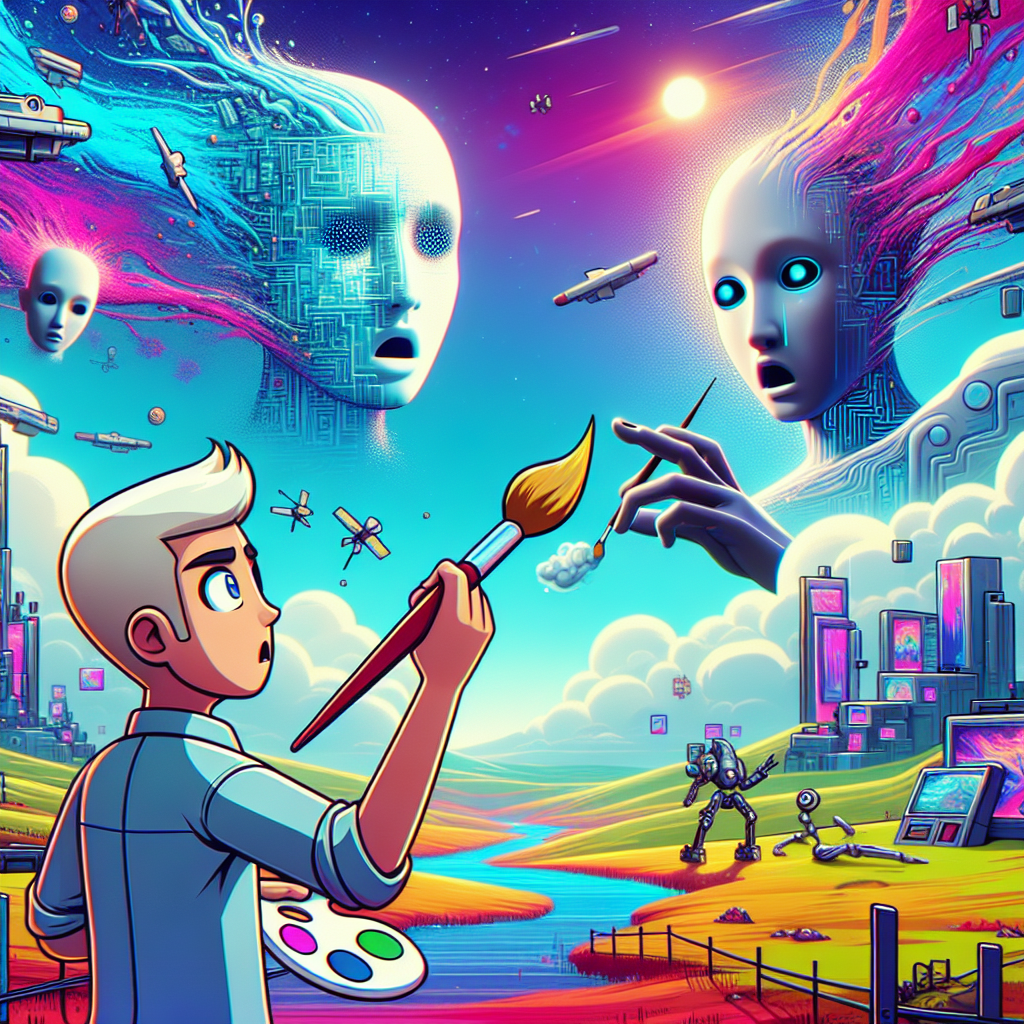
Fortnite Chapter 7 Sparks Controversy Over Alleged AI Art
Fortnite’s New Chapter Lands in Hot Water
Epic Games’ popular battle royale, Fortnite, has launched a fresh wave of excitement with the release of Chapter 7. But this time, players are buzzing not just about new mechanics or skins—but about allegations that the developers used AI-generated artwork in the game. As Chapter 7 rolled out earlier this June, fans took to forums and social media to voice their concerns over potentially AI-produced art assets, accusing Epic of compromising creativity and authenticity in favor of automation.
How the Controversy Sparked
It all began when eagle-eyed players noticed oddities in certain promotional artwork and in-game elements. Community members on Reddit and Twitter pointed out that some of the details looked off—such as inconsistent character anatomy, mismatched limb proportions, and vague, surreal background details. These peculiarities are often associated with AI-generated art, which, despite rapid advancements, still struggles with certain visual consistencies.
Widespread discussion led to deeper investigations, with players sharing side-by-side comparisons of Fortnite Chapter 7 art and known AI-generated elements. Although there has been no official confirmation from Epic Games, the conversation has gained substantial traction, raising ethical questions about how game developers use emerging technologies like generative AI.
What Is Generative AI Art and Why Does It Matter?
Generative AI art refers to visuals created or assisted by artificial intelligence models trained on hundreds of thousands of images. These systems learn patterns, structures, and styles, enabling them to produce new images based on user prompts. Programs such as MidJourney, DALL·E, and Stable Diffusion are leading examples in this booming industry.
While generative AI has opened doors to faster production and dynamic creativity, it also introduces several challenges, such as:
- Intellectual Property Violations – AI can unintentionally replicate art styles or specific pieces that are under copyright.
- Job Displacement – Artists and creative professionals may lose roles as companies lean into AI for fast, cost-effective production.
- Lack of Originality – AI lacks personal expression, meaning final outputs might feel generic or disconnected from authentic human creativity.
Player Backlash: Why Gamers Are Upset
The Fortnite community is known for its creativity, with players often designing skins, creating fan art, and even building in-game islands. So, when suspicions arose about AI being used in development materials, many felt it clashed with the game’s identity.
Here’s why players are speaking out:
- Betrayal of Fan Loyalty – Long-term players feel Epic Games should invest in human artistry instead of shortcuts.
- Undermining the Art Community – Artists who have contributed to Fortnite’s success worry about their future roles.
- Visual Inconsistencies – AI art, especially when not fully polished, can lead to immersion-breaking visuals, affecting gameplay experience.
Some fans even began trending the hashtag #NoAInFortnite, echoing broader calls for transparency and responsibility in artistic production.
Epic Games’ Silence on the Matter
At the time of writing, Epic Games has not issued an official response addressing these claims. The developers have historically prided themselves on player feedback and transparency, so the lack of communication on such a hot-button issue has only fueled the controversy further.
If Epic intends to maintain trust and creative integrity, many believe a public statement or clarification is essential. Whether to confirm AI use (with context) or refute it entirely, the silence risks alienating a significant portion of its player base.
The Larger Debate: AI in the Gaming Industry
Fortnite isn’t alone in this growing conversation. The gaming industry is rapidly exploring AI’s potential not only for creating environments and concept art but also for scripting dialogue and enhancing game logic. However, the line between innovation and exploitation is thin.
As AI becomes further integrated into development pipelines, studios will have to address:
- Credit and Compensation – Determining who gets recognition when AI-assisted work pulls from a collective human effort.
- Transparency with Players – Informing users when AI is used in creating game assets can help manage expectations and ethics.
- Maintaining Artistic Standards – Ensuring AI-generated assets match the quality and feel of human-crafted work.
In light of recent accusations against Fortnite, these questions are more relevant than ever.
What This Means for Developers and Creators
For developers, this controversy serves as a wake-up call. The convenience of AI should not replace the value of human creativity—particularly in an industry like gaming, where connection and emotion are central to player experience.
Artists have also voiced concerns about being sidelined in production. Several industry veterans and Fortnite fan-artists took to X (formerly Twitter) stating that the lack of acknowledgment toward human artists suggests a potential devaluation of artistry in modern game production.
Protecting the Integrity of Digital Art
This incident opens important conversation around digital art authenticity. Looking forward, game studios might implement clearer labeling for AI-assisted assets or create standards to verify if AI tools were used during game production. Stringent checks may help prevent misunderstandings and preserve industry trust.
Conclusion: A Turning Point for Fortnite & the Industry
Whether or not the AI allegations against Fortnite Chapter 7 are proven true, the community reaction reflects a deeper issue at play: the gaming world is grappling with how to balance technological advancement with creative integrity.
As Epic Games navigates this storm, one thing is clear—gamers care deeply about authenticity. The studio’s next move could not only shape Fortnite’s future reputation but also set a precedent for how AI is handled across the entire industry.
Until more information is released, fans remain watchful, demanding clarity and championing the artists who have helped shape the digital worlds they love.
What do you think about AI-generated art in games? Share your thoughts in the comments—because in the world of gaming, your voice matters.