
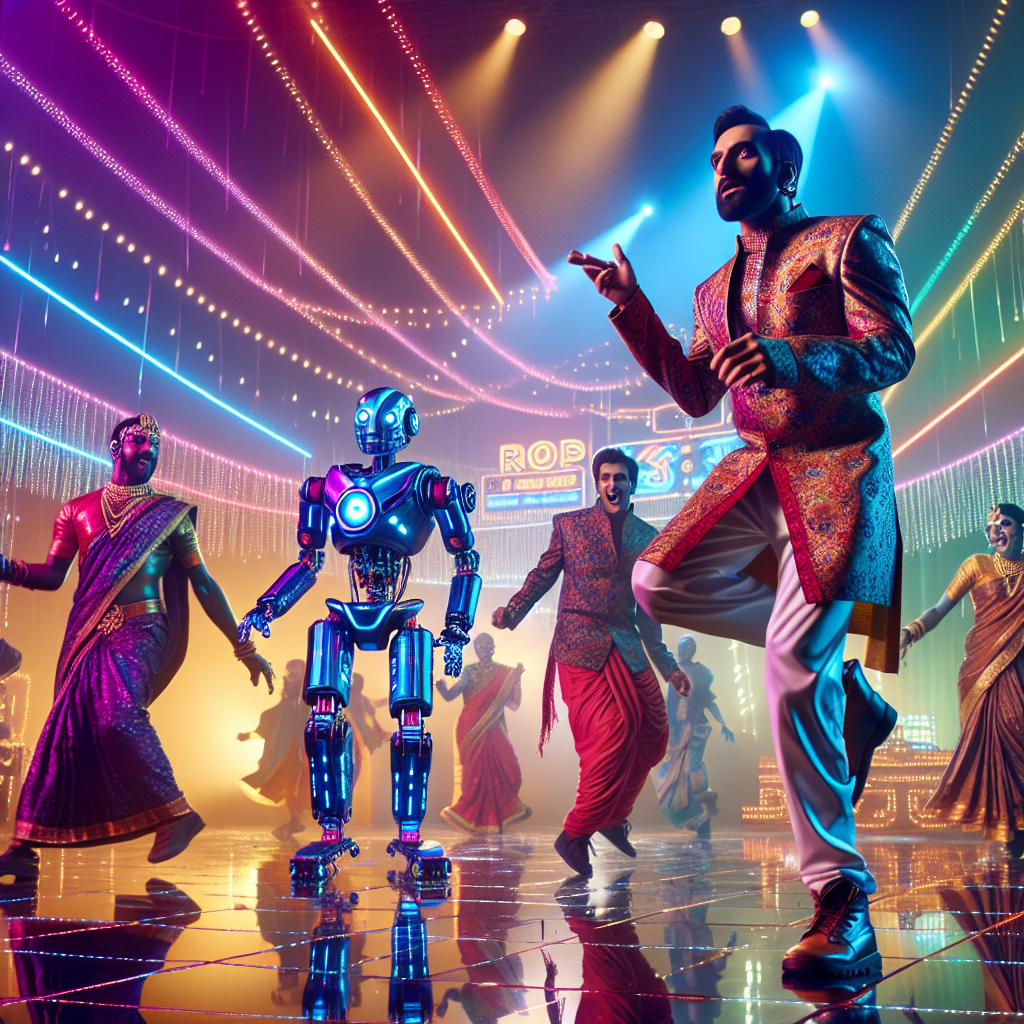
How AI Is Revolutionizing Indian Cinema Behind the Scenes
Indian cinema, known worldwide for its vibrant storytelling, elaborate dance sequences, and a vast fanbase, is undergoing a silent yet powerful transformation. This revolution is not happening at the box office or on the red carpet—it’s happening behind the scenes, powered by Artificial Intelligence (AI). As filmmakers embrace technology, AI is influencing everything from scriptwriting to post-production. Here’s how AI is reshaping the future of Indian films.
AI and the Changing Landscape of Indian Filmmaking
Historically, Indian cinema has thrived on creativity, emotion, and spontaneity. While traditional filmmaking relied heavily on intuition and experience, today’s directors and producers are increasingly turning to AI technologies to enhance efficiency and storytelling precision.
AI-driven solutions are now being used in:
- Script development
- Visual effects (VFX) and post-production workflows
- Audio dubbing and voice cloning
- Audience analytics and predictive modeling
- Marketing and personalized promotion
This digital intervention does not aim to replace human ingenuity but complements it, allowing creative professionals to focus more on innovation while AI handles data-intensive tasks.
The Rise of AI in Scriptwriting and Storytelling
One of the most groundbreaking applications of AI in Indian cinema is in scriptwriting. Tools powered by Natural Language Processing (NLP) are now capable of analyzing vast data sets from previously successful movies to determine patterns that captivate audiences. These tools help writers identify plot gaps, optimize narrative structures, and even suggest dialogue that resonates better with cultural and emotional cues.
Filmmakers like Shekhar Kapur and A.R. Rahman have praised AI’s role in sharpening scripts and eliminating creative blind spots. As AI algorithms evolve, they offer creators smarter suggestions, blending data-backed insights with human creativity.
AI in Casting and Character Design
AI is also being used to predict cast combinations that work best for a given genre or storyline. By analyzing audience reactions, social media sentiment, and demographic data, casting decisions are now more informed than ever before. Not only does this improve character engagement, but it also boosts box office performance.
Benefits of AI-powered casting tools include:
- Reducing the risk of miscasting
- Improving character-audience alignment
- Assessing actor performance through historical data
Visual Effects and Deepfake Technology
Visual effects are the heart of modern Indian blockbusters. From the grandeur of Baahubali to sci-fi spectacles like Enthiran, VFX departments play a crucial role. Now, AI is enhancing these visual effects with deep learning algorithms that enable faster rendering, realistic simulations, and facial tracking.
One controversial yet popular technique involves the use of deepfakes—AI-powered video manipulation tools. These enable filmmakers to de-age actors, recreate deceased celebrities, or even blend facial expressions seamlessly across scenes without the need for excessive reshoots or makeup hours.
While ethical and copyright concerns persist, many studios are taking a cautious but exploratory approach toward deepfake technology, especially for visual storytelling and archival content recreation.
Automated Audio Production and Voice Cloning
The practice of dubbing has long been a necessity in multilingual Indian cinema. AI now enhances this process with real-time voice translation and lip-syncing technologies, making dubbed versions more convincing and lifelike.
One standout innovation is voice cloning, which allows AI to replicate an actor’s voice patterns across different languages. This technology is invaluable for maintaining vocal consistency in animated features, dubbed content, and even for actors no longer available to record.
Key advantages of voice cloning include:
- Time and cost efficiency
- High-quality multilingual voiceovers
- Effortless voice archiving for legacy actors
AI-Powered Marketing Campaigns
Earlier, film marketing relied on broad strokes—TV ads, hoardings, and miscellaneous promotions. But today’s AI tools offer laser-targeted marketing, using machine learning to tailor promotional content to different audience groups.
With audience segmentation based on watching habits, browsing patterns, age, location, and even emotional triggers, studios can now generate trailers, posters, and content that speak directly to the viewer’s psyche.
For instance:
- AI video editing software can auto-generate multiple trailer versions suited for different platforms like Instagram, YouTube, and TikTok.
- Chatbots powered by AI can engage fans via messaging apps, offering trivia, quizzes, or even exclusive content previews.
This hyper-personalized approach helps studios maximize reach, engagement, and ultimately, ticket sales.
Audience Analytics and Predictive Modeling
Indian filmmakers are also leveraging AI to incorporate advanced predictive analytics into film production. These systems analyze current market trends, social sentiment, and past box office performance to estimate how well a movie will perform—even before it goes into production.
Netflix and Amazon Prime Video, two giants expanding their footprint in India, actively use AI models to forecast viewer preferences. Bollywood studios are now catching on, using similar tools to make data-backed decisions on budgets, themes, and even release timing.
Challenges and Ethical Considerations
Despite its benefits, the use of AI in cinema raises significant concerns. Deepfake technology, in particular, poses ethical issues surrounding privacy, consent, and misuse. There’s also the risk of over-reliance on data, potentially stifling the organic, soul-driven art that Indian cinema is famous for.
Primary concerns include:
- Authenticity of performances being compromised
- Job displacement for crew involved in editing, voice work, and subtitles
- Creative decisions being driven more by data than passion
Most industry experts agree that the best path forward is mindful integration—where AI serves to assist, not replace, the human voice in filmmaking.
The Future of Indian Cinema with AI
As India continues to be a global content powerhouse, the strategic use of AI positions the industry to scale and innovate like never before. From fine-tuning scripts to expanding accessibility and multilingual experiences, artificial intelligence is emerging as an invisible co-director in dozens of high-profile productions.
Looking forward, expect to see:
- Hyper-personalized viewer experiences via streaming platforms
- AI-generated background scores, costumes, and set designs
- Greater collaboration between Indian and international studios using tech platforms
In an age where audiences demand fresh yet relatable stories, AI equips Indian cinema with the tools to explore untapped narratives while preserving its cultural heartbeat. The reel and the real are blending like never before—and AI is at the editing desk.