
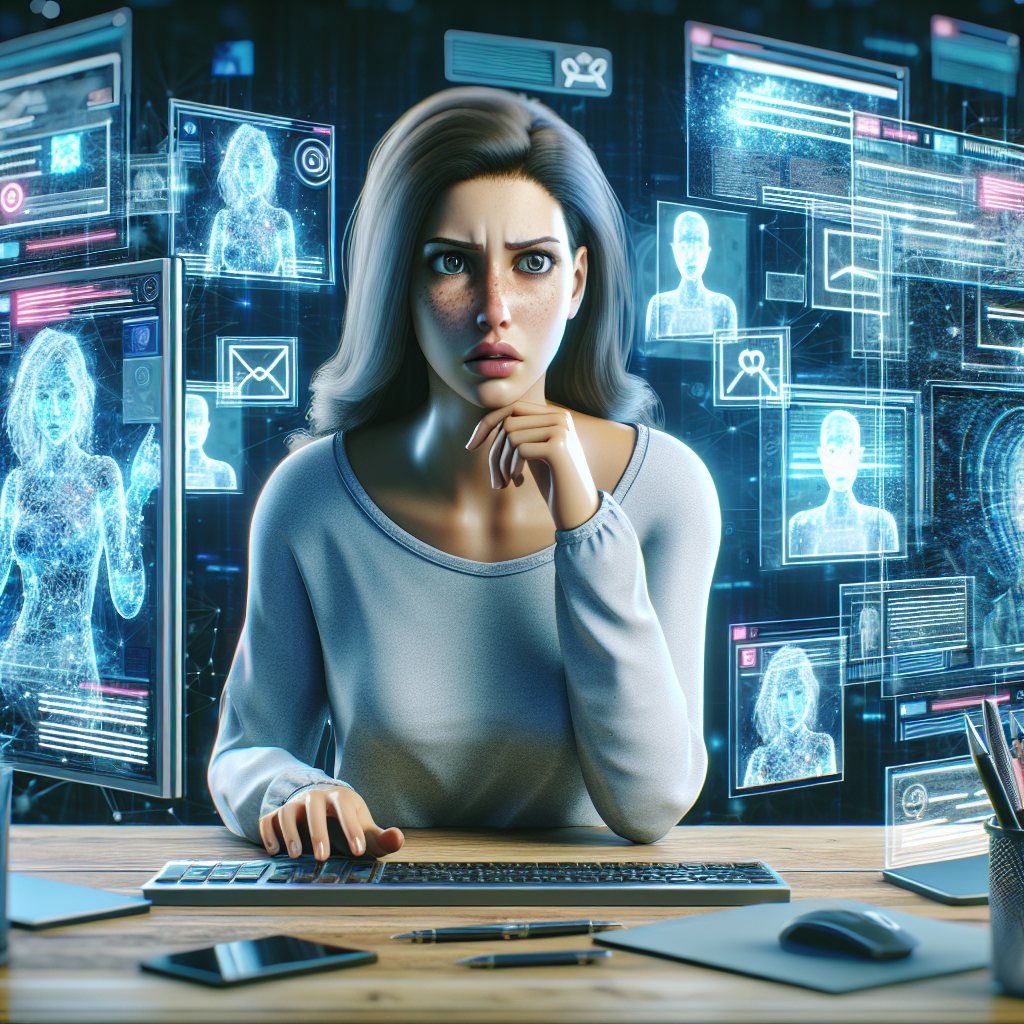
AI Accelerates Online Trust Collapse Amid Deepfake Concerns, Experts Warn
As advancements in artificial intelligence (AI) surge ahead, a growing number of experts are sounding the alarm on a pressing issue: the rapid erosion of trust in online content. The proliferation of deepfakes—highly convincing manipulated media generated by AI—has led to widespread concern that the internet is becoming an unreliable space for information discovery, verification, and social discourse.
The Rise of Deepfakes and the Loss of Digital Trust
Once a futuristic concept relegated to science fiction, deepfakes have become startlingly accessible and realistic. These AI-generated images, audio clips, and videos can replicate real individuals’ voices and appearances so effectively that detecting what’s real has become a significant challenge. In volatile information environments like Venezuela, experts warn this issue is particularly dangerous, with AI destabilizing already fragile public confidence in digital content.
Emiliano Kargieman, founder of Satellogic and former leader of Venezuela-based fact-checking efforts, stresses that the technological leap is posing “a threat to the very fabric of online credibility.” Amid economic crises, censorship, and disinformation campaigns, Venezuelans—and increasingly, users worldwide—are left questioning the authenticity of everything they see and hear online.
Why Deepfakes Are So Problematic
Deepfakes are particularly dangerous because they undermine the sense of shared reality necessary for well-functioning societies and democracies. They go beyond Photoshopped images or edited video clips by creating seamless, realistic content that tricks even the most vigilant viewers.
- They erode trust in real media: When a viewer cannot determine what’s fake, they may choose not to believe authentic content either.
- Weaponized misinformation: Bad-faith actors can exploit deepfakes for political manipulation, to incite violence, or tarnish reputations.
- Manipulation in high-stakes environments: Situations like elections, protests, or international conflicts become far more volatile when people can’t verify the truthfulness of shared media.
The Role of Generative AI Platforms
Part of this trust collapse occurs due to the emergence of user-friendly AI tools such as OpenAI’s ChatGPT, Midjourney, and ElevenLabs. While these platforms offer innovative capabilities for creators and businesses, they also open the floodgates for potential abuse. The barrier to entry for producing convincing deepfakes is lower than ever, meaning virtually anyone with internet access can create potentially harmful content.
Kargieman notes that in countries where misinformation already thrives, such as Venezuela, these tools are easily leveraged to simulate false events, news reports, or government statements—often creating confusion or panic among citizens.
The Global Implications of Online Mistrust
Although the Venezuelan digital landscape serves as a stark example, experts agree that the threat posed by AI-generated misinformation is a global issue. From elections and civil unrest to financial markets and public health campaigns, the outcomes are increasingly shaped by how much trust people place in online media.
In democracies, the very foundation of informed decision-making is under siege. When potential voters are bombarded with AI-manipulated propaganda or falsified endorsements, the democratic process is disrupted in fundamental ways.
- Election tampering via deepfakes: Synthetic media can simulate candidates saying inflammatory or false things, influencing voter behavior.
- Stock market volatility: False information can be rapidly disseminated via deepfakes to create artificial market reactions.
- Public health misinformation: Falsified messages from health officials or agencies can discourage vaccination or spread pseudoscience.
Current Efforts to Combat Deepfake Proliferation
Governments and technology companies are starting to take action, albeit cautiously. Some of the key efforts underway include:
- Development of deepfake detection tools: AI-based detectors are being trained to identify synthetic media, though they often struggle to keep pace with increasingly sophisticated generative models.
- Policy and legislation: Countries like the United States, Canada, and EU nations are proposing regulatory frameworks to monitor and manage how AI-generated content is created and distributed.
- Content labeling and transparency: Social media platforms such as Meta (Facebook, Instagram) and X (formerly Twitter) have begun testing AI-generated content labels and media authenticity warnings.
Despite these efforts, many experts fear that we are still in the early stages of understanding the true magnitude of AI’s impact on trust online. As deepfakes become more sophisticated, detection tools will need to adapt rapidly. Meanwhile, the psychological toll of constant digital skepticism continues to chip away at public trust.
What Can Users Do to Protect Themselves?
While technology and regulation play key roles in addressing deepfake threats, individual users can also take steps to safeguard themselves—and others—from being misled:
- Verify sources: Always cross-check information with reputable, verified news providers or official sources before sharing.
- Be skeptical of sensational content: If a quote, video, or image seems shocking or too good (or bad) to be true, it’s worth conducting a quick search or using deepfake detection tools.
- Use fact-checking platforms: Sites like Snopes, FactCheck.org, and locally run platforms like those in Latin America help assess the accuracy of circulating media.
- Educate yourself and others: Learning how deepfakes are made and how AI tools are evolving can help reduce the impact of first impressions based on synthetic media.
The Future of Truth in the Age of AI
The digital era has long been characterized by an overwhelming flow of information. However, the rise of AI-generated deepfakes represents a turning point where quantity has evolved into synthetic quality—content that looks and sounds real, but isn’t. The implications are profound: from journalistic integrity and legal proceedings to interpersonal communication and public policy.
The more realistic a deepfake becomes, the greater its capacity to distort reality. Without a coordinated response involving technology companies, governments, educators, and users themselves, we risk entering a “post-truth” era fueled not by ignorance, but by deliberate fabrication.
Conclusion: Navigating a Murky Digital Future
The fast development of AI and its role in enabling deepfakes has thrust society into a new phase of the digital revolution—one marked by uncertainty and mistrust. As experts continue to issue warnings, it is crucial for stakeholders across industries and countries to prioritize solutions that balance innovation with responsibility.
Ultimately, the survival of truth in the digital age hinges not solely on algorithms or legislation, but on a collective commitment to transparency, ethics, and critical thinking.