
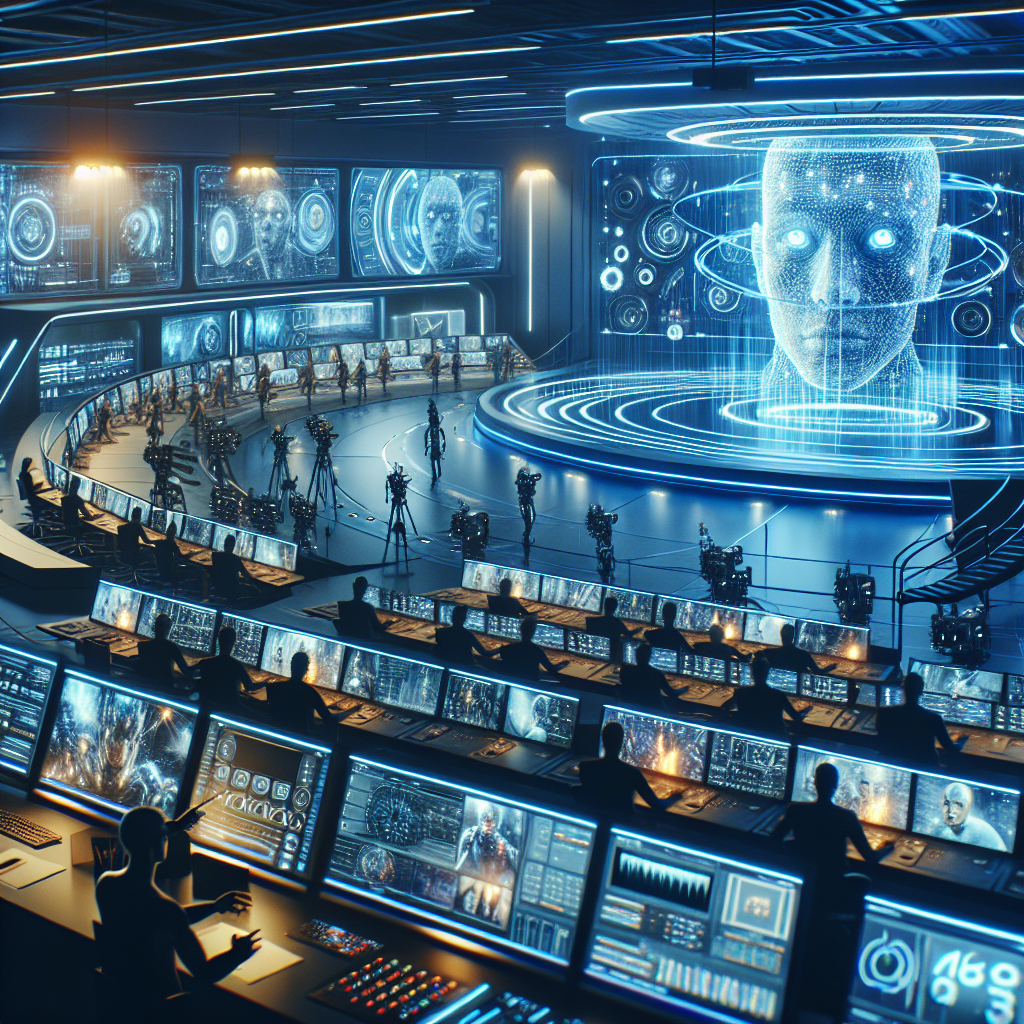
AI Video Tool Seedance 2.0 Alarms Hollywood Filmmakers
Hollywood Faces New Disruption with AI-Powered Video Generation
A new frontier in artificial intelligence is sending ripples through the entertainment industry. Seedance 2.0, the latest version of an AI-powered video generation tool, is raising serious concerns among filmmakers, actors, and studio executives across Hollywood.
With its unprecedented ability to generate high-quality video scenes featuring realistic human avatars—modeled on real celebrities—the tool has sparked fears about the potential erosion of creative control, intellectual property, and employment in the film industry. And as AI tech advances at breakneck speed, debates around ethics, legality, and the very nature of human performance are reaching a boiling point.
What Is Seedance 2.0?
Seedance 2.0 is a powerful video synthesis platform developed by a small but rapidly growing tech start-up. It allows users to input basic parameters—such as dialogue scripts, character names, emotional tone, and narrative direction—and within minutes, the software produces a hyper-realistic video sequence, complete with lifelike digital actors, detailed backgrounds, lighting effects, and synchronized sound.
Key features of Seedance 2.0 include:
- Digital recreation of real-life actors, including top Hollywood stars like Tom Cruise and Brad Pitt (without their permission)
- Custom scene creation from text inputs in multiple genres
- AI-powered voice replication based on deep learning voice models
- Rapid editing tools that allow for scene revisions in seconds
The demo video recently published showcases a speculative courtroom drama with Tom Cruise playing an emotionally tormented lawyer in a scene never filmed—yet rendered so realistically that many viewers were left stunned.
Deepfakes Reimagined: The Ethics at Play
While the tech is undeniably revolutionary, Seedance 2.0 has polarized opinion across the film industry. The deepfakes of yesteryear have now evolved into full-fledged performance clones, capable of generating completely synthetic cinema.
Actors’ unions and entertainment lawyers are voicing growing concern over likeness rights and performance ownership. As the software breezily reproduces iconic stars in new content without their involvement or consent, it treads what many describe as a dangerous ethical and legal line.
“We are watching the unauthorized duplication of talent in real time,” said one Hollywood entertainment attorney. “This is not just mimicry; it’s AI impersonation at a commercial scale.”
Main concerns among industry insiders include:
- Violation of publicity rights — using a celebrity’s likeness without permission
- Misuse of voice and image — blurring the lines between parody, tribute, and theft
- Displacement of human actors — risking jobs in an already competitive field
- Legal loopholes — current IP laws lag behind technological capabilities
Studio Reactions and Industry Fallout
Production companies, who already weathered a year-long actor and writers’ strike not long ago, see tools like Seedance as both a threat and an opportunity. Some executives regard it as an innovation that could reduce costs and democratize filmmaking. Others believe its misuse could damage relationships with top talent and face costly legal consequences.
Most major studios have not yet made formal statements, but there are indications that some are lobbying quietly for updates to IP legislation and performers’ rights.
Screenwriters also express concern. Though Seedance still relies on written scripts, there’s a fear that eventually, storytelling formulas could be automated as well—eliminating not just acting gigs, but also creative writing positions.
The Promise and Peril for Independent Creators
In the indie scene, reactions have been more nuanced. Independent filmmakers and digital creators struggling with limited budgets see Seedance 2.0 as an entry point into professional-grade production. For those outside traditional studio pipelines, the tool could level the playing field.
However, this opportunity comes with its risks. If AI-generated content floods the market, it may become harder than ever for genuine human storytelling to rise above algorithm-driven noise. Plus, creators might face copyright lawsuits if they inadvertently use AI models based on protected personas.
Potential benefits for indie creators include:
- Affordable video production for small teams
- Rapid prototyping of film ideas for pitching
- Creative testing of alternative scripts or story paths
Still, ethical storytelling norms and transparency will be key. While Seedance allows the disabling of known actor likenesses, the default model does not prohibit users from mimicking celebrities.
AI Governance and the Future of Storytelling
The development of AI tools like Seedance 2.0 raises inevitable questions about governance, consent, creativity, and identity in the digital age. Should actors own the rights to their digital doubles? Can AI-generated art ever hold the same cultural weight as human-created films? Who gets to decide?
In response to the Seedance controversy, some policy groups are urging the FTC and the U.S. Congress to establish firm guardrails around AI identity replication. Europe has already begun exploring digital likeness protection as part of its AI Act.
Key measures being discussed include:
- Mandatory licensing and royalties for AI recreations of public figures
- Transparency labels for AI-generated shows and content
- Consent-based usage systems for all likeness and voice clones
- Time-stamped blockchain verification to clearly flag synthetic media
Seedance’s creators assert they are open to regulation and are proactively working on safeguards. But as long as the tool remains accessible and capable of producing deceptive realism, the urgency for public awareness and policy continues to grow.
Conclusion: Reinventing Hollywood or Losing Its Soul?
Seedance 2.0 may mark a paradigm shift in digital content creation, but its future will hinge on how ethically and legally its capabilities are managed. Hollywood must now wrestle with a new kind of mirror—one not held by directors, but powered by algorithms.
While AI promises revolutionary tools for filmmakers and storytellers, it also poses complex questions about authenticity, creativity, and identity. In this brave new world of digital doubles and instant cinema, the industry must carefully balance innovation with integrity, or risk ceding the soul of film to code.
Will Seedance 2.0 become a tool of liberation—or just another automation threatening the art of storytelling as we know it? Time will tell, but for now, Hollywood is officially on alert.