
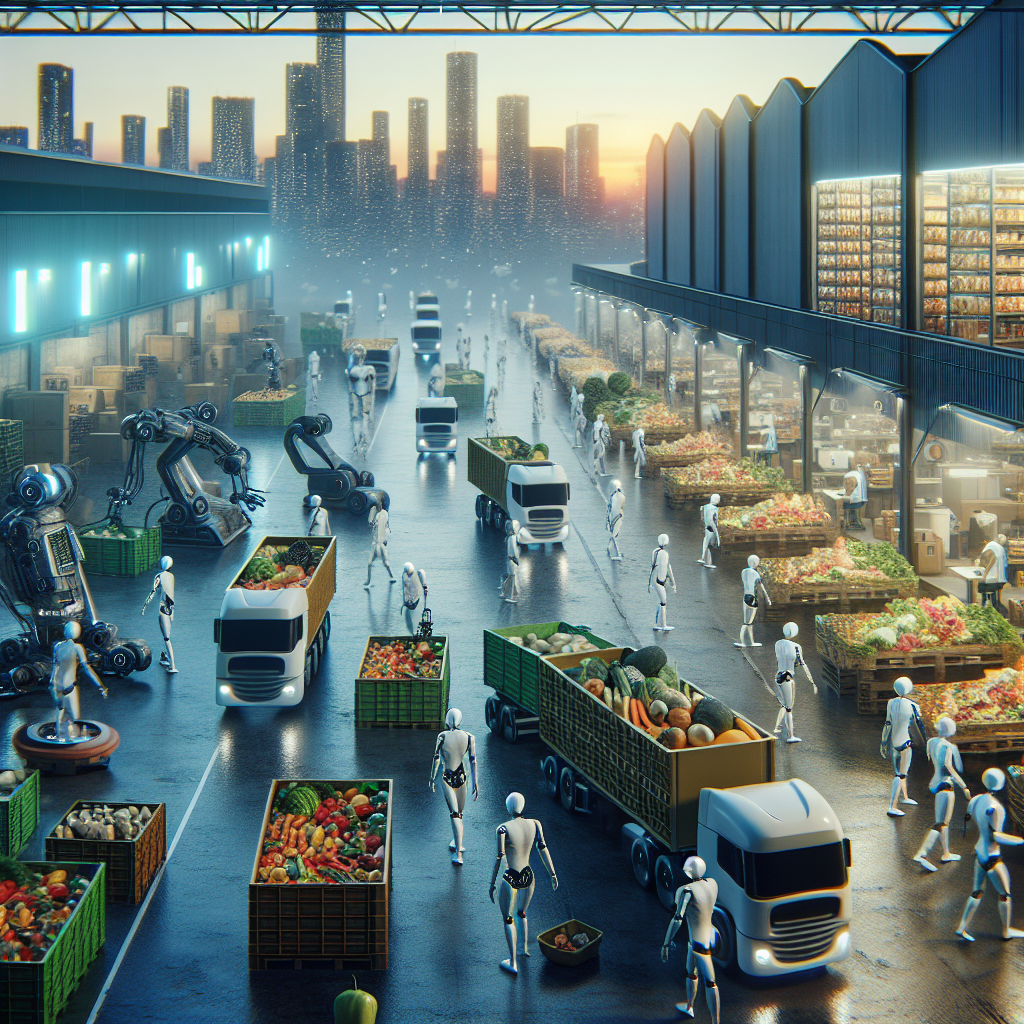
Understanding the Impact of Automation in the Food Supply Chain
The food supply chain is undergoing a significant transformation with the integration of automation and artificial intelligence. These technologies promise to make processes faster and more efficient, but they have also introduced unforeseen problems, particularly in terms of waste management. As companies pivot towards automation, it’s crucial to understand the ramifications of these changes.
The Rise of Automation in Food Processing
Automation in the food industry encompasses a range of technologies from robotic arms handling packaging to AI systems optimizing logistics and inventory management. The goal is clear: increase efficiency, reduce human error, and lower labor costs. But is it all beneficial?
The Food Supply Chain: A Complex System
- Supply
- Processing
- Transportation
- Storage
- Retail
With each step automating more than ever, the scope for improved operations is vast. However, the human element, once instrumental in managing nuances, is missing.
Where Automation Meets Waste
While the adoption of technology is promising, it isn’t without issues:
1. Lack of Flexibility in Automated Systems
Automated systems often lack the adaptability that human workers provide. For instance, robotic sorting systems in a warehousing setting may not detect subtle product defects that a human could, resulting in products unsuitable for consumption reaching retail shelves.
2. Overproduction and Inventory Mismanagement
AI-driven systems make decisions based on data inputs and predetermined algorithms. When these systems incorrectly project demand, it can lead to overproduction. The result is an abundance of unsold products, leading to increased waste.
3. Inefficient Response to Surpluses
Traditional human responses to excess — like diverting surplus products to food banks — are often delayed in an automated environment. The time taken to reprogram systems to address surplus can lead to perishable items being wasted instead.
Critical Areas of Impact
Automation in the food supply chain affects several areas:
The Transportation Sector
Automated vehicles and drones are becoming increasingly popular for logistics. While they reduce delivery times, they introduce challenges in coordination and can lead to logistical bottlenecks, creating waste as products spoil before reaching their destination.
Quality Control
Automated systems are excellent at uniformity but may falter at quality judgment. This issue becomes apparent when handling fresh produce or perishable items that require subjective assessment.
Inventory Management
AI systems manage inventory with incredible precision compared to manual audits. However, they do not account for sudden shifts in market trends, leading to either shortages or an excess of stock that turns into waste.
Solutions and Innovations to Counteract Waste
To combat the rising tide of waste, innovative strategies and solutions are being developed.
Intelligent Inventory Systems
Integrating more advanced AI with machine-learning capabilities can help predict and adapt to changing conditions. These systems can learn from past errors in prediction, reducing future incidents of overproduction.
Enhanced Coordination of Supply and Demand
Building better networks between producers, suppliers, and retailers ensures that surpluses can be swiftly shared throughout the system, minimizing waste. Utilizing blockchain technology can also increase transparency and coordination across the chain.
Adoption of Sustainable Practices
Encouraging a shift towards sustainable packaging, biodegradable materials, and circular economy principles can help offset the environmental impact of waste generated through automation.
The Future of Food Supply Chain Automation
As technology continues to evolve, so too must the strategies to manage its implications. Looking forward, a more sustainable and balanced approach combining human oversight with technological efficiency will be crucial. By refining AI systems and integrating human decision-making, the food supply chain can become more adaptive and less wasteful.
Balancing Efficiency with Sustainability
To strike this balance, businesses must:
- Invest in technology that supports sustainability
- Train personnel to operate advanced systems and provide human oversight
- Foster collaboration across different sectors of the food supply chain
The challenge lies not only in implementing advanced automation technologies but in developing systems that accommodate the complexities of the real world. In doing so, the food industry can reduce waste and efficiently sustain a growing global population.
In conclusion, while automation presents numerous advantages to the food supply chain, its integration must be carefully managed. By prioritizing sustainability and flexibility, the industry can minimize waste and ensure that progress does not come at the expense of environmental responsibility.