
Introduction to the Controversy
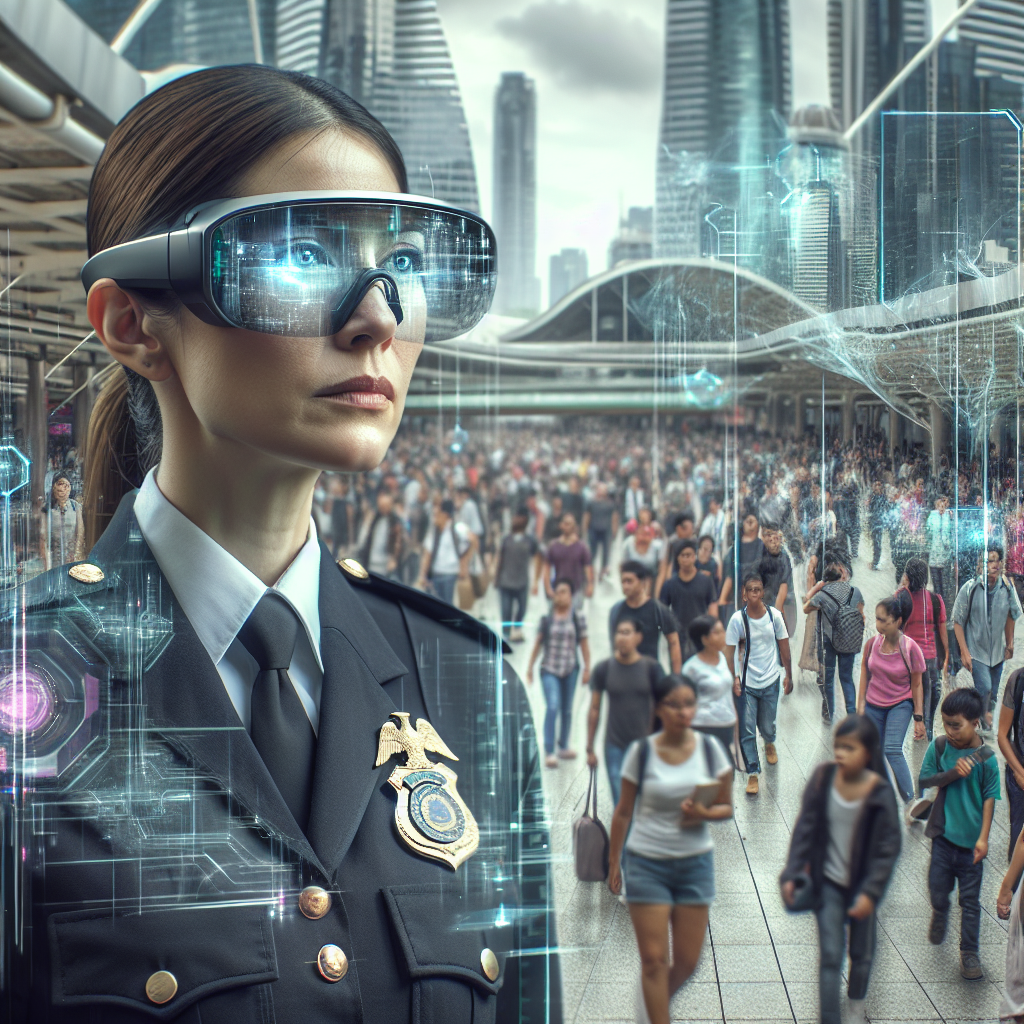
In recent developments, US immigration agents have begun employing Meta’s AI glasses technology as part of their daily operations. This blend of advanced technology with law enforcement has sparked significant debate and raised numerous concerns. Critics and supporters alike are weighing in on what this means for privacy, efficiency, and the future of immigration enforcement.
Understanding Meta’s AI Glasses Technology
Meta, a leading technology company, has made headlines with its AI-powered glasses. These glasses are designed to enhance human capabilities by providing augmented reality experiences seamlessly integrated into the wearer’s environment. The core features of Meta’s glasses include:
- Real-time data processing
- Facial recognition capabilities
- Enhanced visual and audio inputs
By leveraging AI and machine learning, these glasses can identify individuals, provide critical information instantly, and translate spoken languages in real-time. The potential benefits for various sectors, including retail, health, and education, are substantial. However, their application in immigration enforcement has opened up a Pandora’s box of ethical and legal questions.
The Role of AI Glasses in Immigration Enforcement
The primary goal behind integrating AI glasses in immigration is to streamline operations and improve efficiency. Key objectives include:
- Speeding up identity verification processes
- Reducing paperwork through digital data collection
- Enhancing officer safety by providing real-time situational awareness
In theory, these benefits could translate to faster, more reliable security checks and a decrease in human error during operations. Furthermore, immigration agents equipped with such technology can potentially handle more cases without increasing manpower.
Privacy Concerns and Ethical Dilemmas
Despite their practical applications, the use of AI glasses by immigration agents has raised significant privacy concerns. Among the primary worries are:
- Invasive surveillance and data collection
- Potential misuse of personal data
- Lack of transparency and accountability
Privacy advocates argue that the technology might infringe on individuals’ rights, leading to unwarranted monitoring and profiling. The ability to recognize and analyze faces in public spaces could result in unprecedented levels of surveillance, stoking fears about the erosion of civil liberties.
Legal Implications and Human Rights
Aside from privacy issues, the deployment of AI glasses by immigration officials poses legal challenges. Central to these concerns are questions about compliance with existing laws and human rights regulations:
- Does the use of AI glasses comply with privacy laws?
- Are there safeguards against racial profiling?
- What measures are in place to ensure data protection?
Without clear answers and robust regulatory frameworks, there’s a real risk that the technology could be misused, exacerbating existing tensions and discrimination against marginalized communities.
The Public Reaction and Political Backlash
The introduction of AI glasses into immigration operations has elicited varied reactions from the public and political figures. Some view this technological adoption as a necessary step in modernizing border enforcement and security. Others express deep skepticism and urge caution until comprehensive guidelines are established.
Supporters’ Viewpoints
Proponents argue that AI glasses can significantly enhance the efficiency and safety of immigration processes. Key arguments include:
- Reducing the workload on agents, allowing them to focus on complex tasks
- Providing instant access to critical data for informed decision-making
- Potentially reducing bias through objective data analysis
For supporters, the integration of such advanced technology is seen as an inevitable evolution of law enforcement strategies in a tech-driven world.
Opponents’ Concerns
Critics, however, caution against the rapid adoption of these tools without adequate oversight. They urge that the potential downsides significantly outweigh the benefits. Main concerns are:
- Threats to individual privacy and freedom
- Risk of biometric data breaches
- Potential for increased racial profiling
The Path Forward: Balancing Technology and Rights
Finding a balance between technological advancement and the protection of individual rights will be paramount as AI glasses become integrated into sensitive areas like immigration enforcement. Key steps moving forward should include:
- Developing stringent guidelines and regulations
- Ensuring transparency in how data is collected and used
- Engaging in public dialogue to gauge societal views
A collaborative approach involving policymakers, technologists, and civil rights advocates will be crucial in navigating the complexities introduced by such emerging technologies.
Conclusion
The use of Meta’s AI glasses by immigration officers is a microcosm of the broader challenge posed by the intersection of advanced technology and personal privacy. While promising for efficiency and innovation, without appropriate measures, they risk overstepping boundaries critical to personal freedom and privacy. As society grapples with these new realities, ongoing dialogue and regulatory frameworks will be essential to ensure that technological advances serve the general good without compromising fundamental rights.