
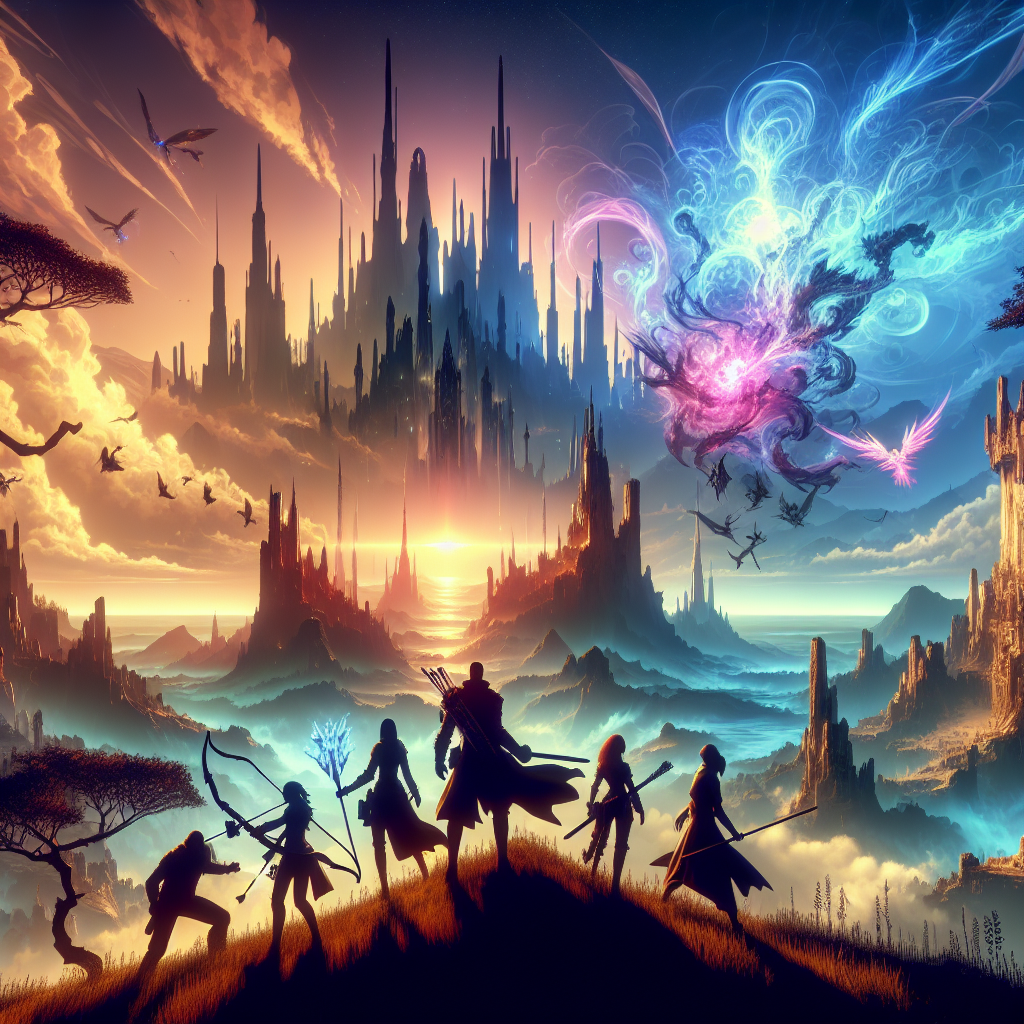
Introduction: Understanding the Controversy Around AI Art in Game Development
In the rapidly evolving world of game development, leveraging cutting-edge technology is often vital to staying ahead of the curve. One of the latest advancements that has caught the industry’s attention is the use of Artificial Intelligence (AI) in generating art assets. The recent confirmation by Crimson Desert’s developer, Pearl Abyss, that it has incorporated AI art into its creative process has sparked significant debate and concern among enthusiasts and professionals alike.
The Rise of AI in Game Art
AI’s burgeoning role in artistic creation is far from new. As machine learning algorithms become more sophisticated, the ability to generate art—from simple textures to intricate landscapes—has improved dramatically. Some of the primary advantages AI offers in art creation include:
- Speed: AI can generate artwork at an impressive pace compared to traditional methods.
- Cost-efficiency: Reducing time spent on art allows resources to be allocated elsewhere.
- Innovation: Introducing novel patterns and styles that may not naturally occur to human artists.
However, despite these benefits, the integration of AI into roles traditionally filled by human artists raises questions about authenticity, creativity, and employment.
Pearl Abyss and Crimson Desert: A Bold Move Towards AI Integration
Pearl Abyss, the South Korean studio behind “Crimson Desert,” has embraced AI technology. By confirming its use of AI-generated art, the company is paving a new path that’s indicative of larger industry trends. “Crimson Desert” is an eagerly awaited game that promises a rich open-world experience, and the inclusion of AI art suggests a commitment to pushing technical boundaries.
Why Choose AI Art?
For game developers, the decision to use AI art is driven by several factors:
- Scalability: AI can handle large volumes of work efficiently, crucial for massive game worlds.
- Consistency: AI can maintain visual consistency across different assets, ensuring a cohesive look.
- Complexity: AI algorithms can create detailed textures and designs that are both intricate and expansive.
While Pearl Abyss’s move is unsurprisingly regarded as innovative by some, it’s also met with skepticism and critique.
The Debate: Creativity versus Technology
The core of the debate surrounding AI-generated art in the gaming industry centers on the balance between human creativity and technological convenience. Critics argue that:
- Loss of Artistic Integrity: AI art may lack the emotional depth and intentionality present in human-created works.
- Job Displacement: Increased reliance on AI could decrease demand for skilled artists, threatening livelihoods.
- Unoriginal Output: AI-generated art may inadvertently lead to monotonous or repetitive designs.
Supporters, on the other hand, suggest that AI should be seen as a tool to enhance, rather than replace, human creativity:
- Empowering Artists: AI can perform repetitive tasks, allowing artists to focus on more creative elements.
- Experimentation: Artists can use AI to explore new visual styles or concepts rapidly.
- Resource Allocation: AI can handle routine tasks, freeing up time and budget for other development areas.
Industry Impact and Future Implications
Pearl Abyss’s embrace of AI in “Crimson Desert” could serve as a catalyst, influencing other studios to reconsider their methodologies. As AI continues to mature, the conversation will likely shift from whether AI should be used, to how it can best be used to complement and enhance artistic endeavors.
The Ethical Considerations
The ethical implications of using AI in game development are vast and complex. Studios will have to navigate:
- Transparency: Being open about the extent of AI use in game development.
- Credit and Compensation: Ensuring human contributors receive rightful recognition and remuneration.
- Quality Assurance: Maintaining high-quality standards and ensuring AI-generated content meets player expectations.
AI Art: A Collaborative Future?
Looking forward, the ideal scenario involves a harmonious blend of AI and human artistry, where:
- Collaboration: AI and artists work in tandem to create unique, high-quality game experiences.
- Education and Training: Industry shifts will necessitate new training programs for artists to work alongside AI effectively.
- Role Evolution: As processes evolve, so too will the roles within game development teams.
Conclusion: Navigating the Path Ahead
The confirmation of AI art usage in “Crimson Desert” has undeniably stirred significant discussion within the gaming community. Pearl Abyss has set a precedent, and as technology continues to advance, we can anticipate similar discussions in various creative fields. Bridging the gap between technological advancements and the invaluable creativity of human artists will be challenging yet essential.
The path forward will rely on dialogue among developers, artists, AI specialists, and players. Embracing technology while preserving the core of human artistic expression will ensure vibrant and diverse gaming landscapes for years to come. Together, they will define the future of digital creativity and set a standard for the next generation of immersive worlds.