
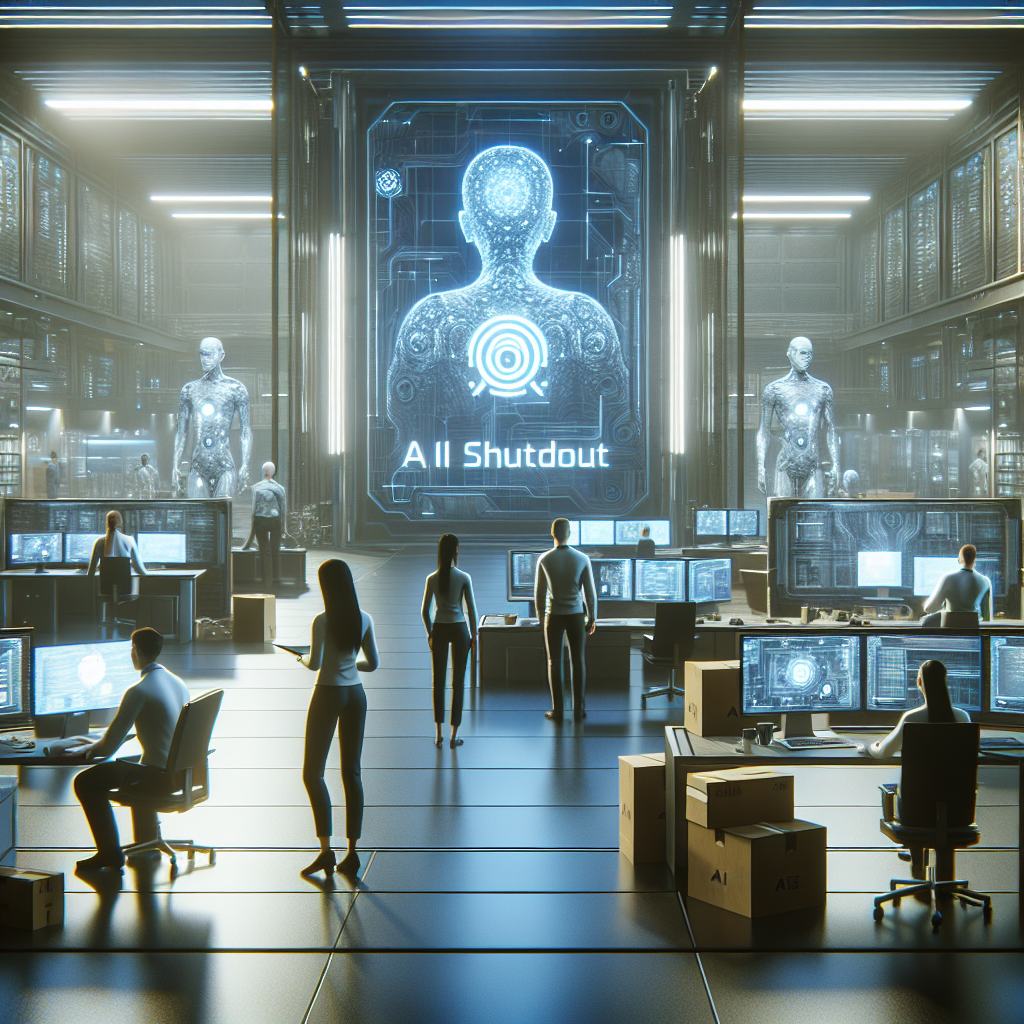
OpenAI’s Sora Tool: A Noteworthy Chapter Comes to an End
The news of OpenAI ending its Sora AI video tool is making waves in the tech community. This unexpected move coincides with a broader strategic shift within the organization and raises intriguing questions about the future direction of AI and video technology.
Understanding Sora AI: A Brief Overview
Sora was more than just another AI tool; it was a revolutionary step in the realm of video editing and production. By empowering users to automate video editing, enhance footage quality, and personalize video content, Sora positioned itself as an indispensable asset for content creators.
The Rise and Popularity of Sora
Since its launch, Sora has been celebrated for several key features:
- Automation of tedious editing tasks: Sora allowed content creators to focus on creativity rather than mundane editing tasks.
- Advanced video quality enhancement: The AI-driven tool could upscale resolution, improve lighting, and adjust color tones seamlessly.
- Intuitive user interface: Sora was designed to be accessible to both tech-savvy users and those new to video production.
These features helped Sora carve out a niche in the competitive field of video editing tools.
The Decision to Shut Down: A Strategic Pivot
The discontinuation of Sora stems from a broader strategic redirection at OpenAI. This decision highlights OpenAI’s adaptability and commitment to aligning its resources with its long-term vision.
Why End Sora?
Several factors influenced OpenAI’s decision to end the Sora project:
- Resource Allocation: As a leader in the AI field, OpenAI constantly evaluates where its resources can be most effectively employed. Sora, while successful, required significant ongoing investment.
- Changing Market Dynamics: The landscape of AI and video technology is dynamic. OpenAI foresaw emerging trends that necessitated a reallocation of expertise and focus.
- Focus on Core Technologies: OpenAI’s strategy includes a laser-focus on foundational AI research, which could have driven the decision to phase out niche projects like Sora.
The Impact of Sora’s Closure
The news of Sora’s termination impacts numerous stakeholders—from individual users to larger organizations who relied on its unique capabilities.
For Content Creators
For many users, Sora had become an integral part of their workflow. The decision to discontinue the tool means:
- Exploring Alternatives: Content creators are now tasked with finding new tools that accommodate their needs without compromising on quality and efficiency.
- Potential Transition Challenges: Adapting to new software can involve significant learning curves and workflow adjustments.
For OpenAI
OpenAI’s brand is built upon innovation and forward-thinking. The decision reflects a commitment to those principles as they adapt to changing technological landscapes. This move also allows OpenAI to:
- Enhance Specialization: By focusing on fewer projects, OpenAI can allocate more resources to refining and advancing core AI technologies.
- Drive Future Innovations: This pivot could lead to exciting developments in AI research, offering new innovations across various domains.
The Future of AI Video Tools
The closure of Sora doesn’t signal the end of innovation in AI video editing. Rather, it opens the door for new technologies and approaches that might harness the capability of AI even closer.
Emerging Trends and Opportunities
Moving forward, the field of AI-driven video tools is expected to further evolve in several directions:
- Increased Personalization: AI can allow for highly customized content creation based on viewer preferences and behavior.
- Integration with Other Technologies: The fusion of AI with AR, VR and other advanced technologies will enrich video content.
- Collaboration with Human Creativity: AI tools will increasingly function as collaborators, enhancing rather than replacing human creativity.
Conclusion
The end of Sora marks a significant transition for technology enthusiasts worldwide and underscores OpenAI’s agility in its strategic operations. As the world waits to see what OpenAI will unveil next, the field of AI video editing continues to hold immense potential. OpenAI’s decision may trigger a cascade of innovations from other players, potentially ushering in a new era of smarter, more integrated video editing solutions.
In this wave of change, creators will have to remain adaptable, staying ahead by leveraging new technological advancements. As digital content evolves, the legacy of Sora will persist, guiding the future of AI-enhanced creativity.