
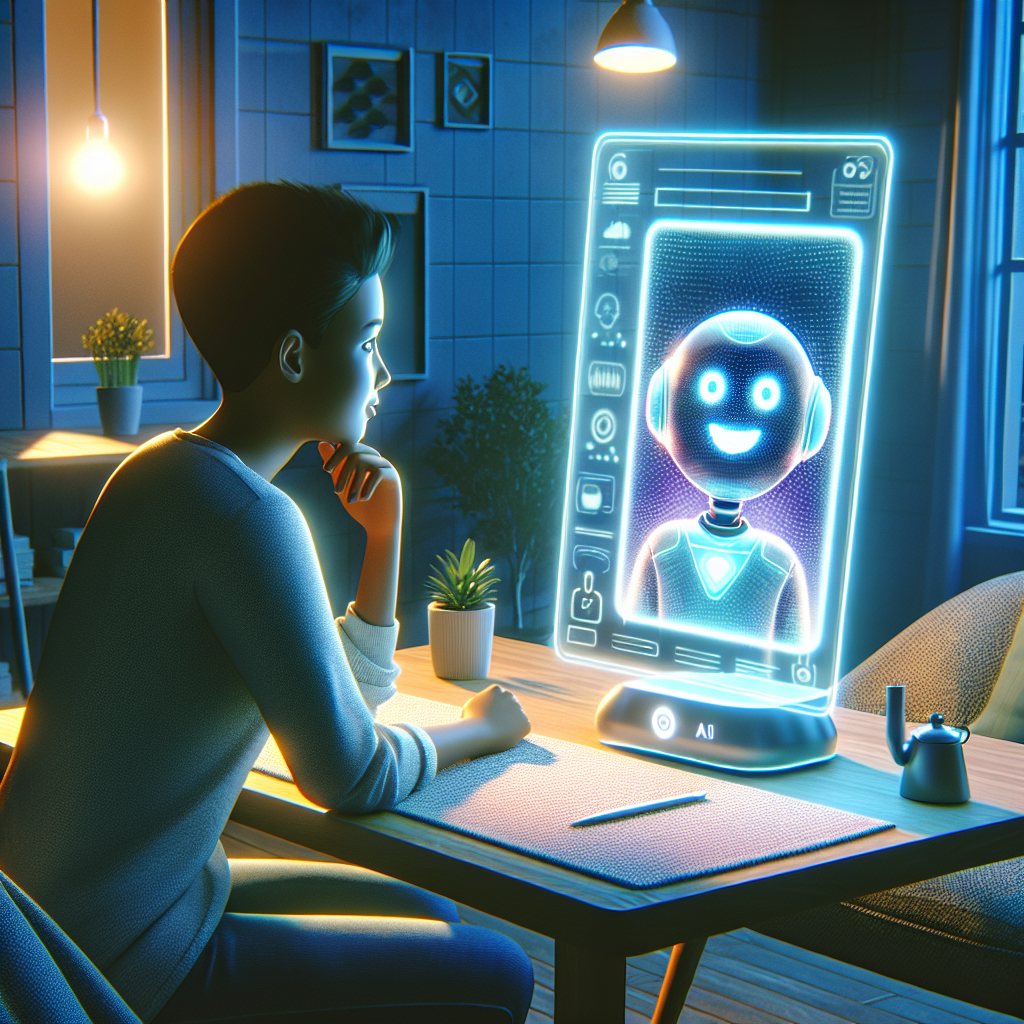
Exploring the Landscape of AI Chatbots for Emotional Support
The digital age has ushered in a myriad of technological advancements, with artificial intelligence (AI) being at the forefront. Among AI’s many applications, chatbots for emotional support have emerged as a valuable tool, offering a range of benefits and presenting certain challenges. In this blog post, we will dive deep into how AI chatbots can be leveraged for emotional support, the potential pitfalls they may present, and how to navigate this evolving landscape effectively.
Understanding AI Chatbots and Their Role in Emotional Support
AI chatbots are computer programs designed to simulate a conversation with human users, primarily through the Internet. AI chatbots for emotional support are specifically engineered to provide psychological aid, or a listening ear, to individuals seeking help. These virtual companions can engage in conversation, provide emotional relief, and guide users toward constructive coping mechanisms.
The Growing Demand for AI Chatbots in Mental Health
Several factors contribute to the rising demand for AI chatbots in providing emotional support:
- Accessibility: These chatbots are available 24/7, offering immediate assistance regardless of the time or location.
- Anonymity: Individuals may feel more comfortable discussing their issues with a non-human entity, reducing the perceived stigma of seeking help.
- Cost-Effective: Compared to traditional therapy sessions, AI-powered support is generally more affordable.
How AI Chatbots Provide Support
AI chatbots utilize natural language processing (NLP) to understand and respond to user inputs in a human-like manner. Some of the primary functions they serve in emotional support include:
- Mood Tracking: Users can express feelings and AI can monitor changes over time, providing insights into emotional patterns.
- Guided Conversations: Chatbots can guide users through structured conversations, encouraging them to express feelings and thoughts.
- Resources and Signposting: They can direct users to appropriate resources, such as hotline numbers, self-help articles, or therapy options.
The Benefits of AI Chatbots for Emotional Support
AI chatbots offer several advantages in the realm of emotional support:
Round-the-Clock Availability
Life’s challenges do not adhere to a scheduled timeframe, and neither do emotional crises. AI chatbots ensure perpetual accessibility, allowing users to connect anytime they feel the need for support. This 24/7 availability makes them an invaluable resource in times of immediate emotional downturn.
Reducing Stigma and Encouraging Openness
Mental health stigma often prevents individuals from seeking help. Chatbots offer a safe space with no judgment, encouraging users to open up about their challenges. The anonymity and lack of direct human interaction enable many to discuss deeply personal issues that they might otherwise keep bottled up.
Personalized Interactions
AI chatbots can analyze user inputs to tailor their responses and suggestions. The ability to provide personalized experiences helps users feel heard and understood, fostering a more meaningful interaction.
Complementing Human Interventions
Rather than replacing human therapists, AI chatbots can supplement traditional therapy. They serve as a bridge for users waiting for available sessions or those requiring additional check-ins between appointments.
The Pitfalls of Relying on AI Chatbots
While the potential benefits of AI chatbots are impressive, it is essential to recognize the limitations and challenges associated with their use.
Lack of Genuine Emotional Connection
Human emotions are complex and nuanced, and while AI chatbots strive to understand them, they inherently lack empathy and genuine human emotional understanding. This limitation can result in a disconnect, making it difficult for users to feel truly validated.
Privacy and Security Concerns
The data shared with chatbots could be sensitive—raising concerns about data privacy and security. Users must be assured that their information is protected and not misused, a critical consideration for developers and providers of these services.
Inaccurate or Insensitive Responses
Despite advances in AI, chatbots can sometimes process information incorrectly, leading to inappropriate or lackluster responses. These errors may potentially cause distress or frustration when users are already vulnerable.
Over-Reliance and Dependency
An inherent risk with any support tool is over-dependence. Users may start relying solely on chatbots for support, potentially deterring them from seeking professional human help when necessary.
Effectively Navigating AI Chatbots for Emotional Support
To maximize the benefits and mitigate the pitfalls, consider the following strategies:
Find Balance with Human Support
AI chatbots should be considered a complementary tool rather than the sole source of emotional assistance. Combining chatbot support with human interactions will ensure that users receive well-rounded care.
Be Aware of Chatbot Limitations
Users should be informed about what chatbots can and cannot do. Having realistic expectations and knowing when to seek human help can significantly enhance the user experience.
Ensure Data Security and Anonymity
Choose a chatbot provider that prioritizes privacy and data security. Understand the provider’s privacy policies and ensure that any shared data is handled with care.
Encourage Continuous Improvement
Feedback mechanisms can help developers refine chatbot technologies, enhancing AI’s ability to provide meaningful emotional support. User feedback is invaluable for ongoing improvements in this growing field.
The Future of AI Chatbots in Emotional Support
AI chatbots for emotional support represent a promising frontier in technology and mental health care. Their evolution indicates potential growth in sophistication and sensitivity to user needs. By addressing current limitations and continuously augmenting their abilities, AI chatbots can become an indispensable component of comprehensive emotional wellness strategies.
This convergence of technology and empathy underpins the future, potentially making emotional support more accessible and effective for individuals everywhere.