
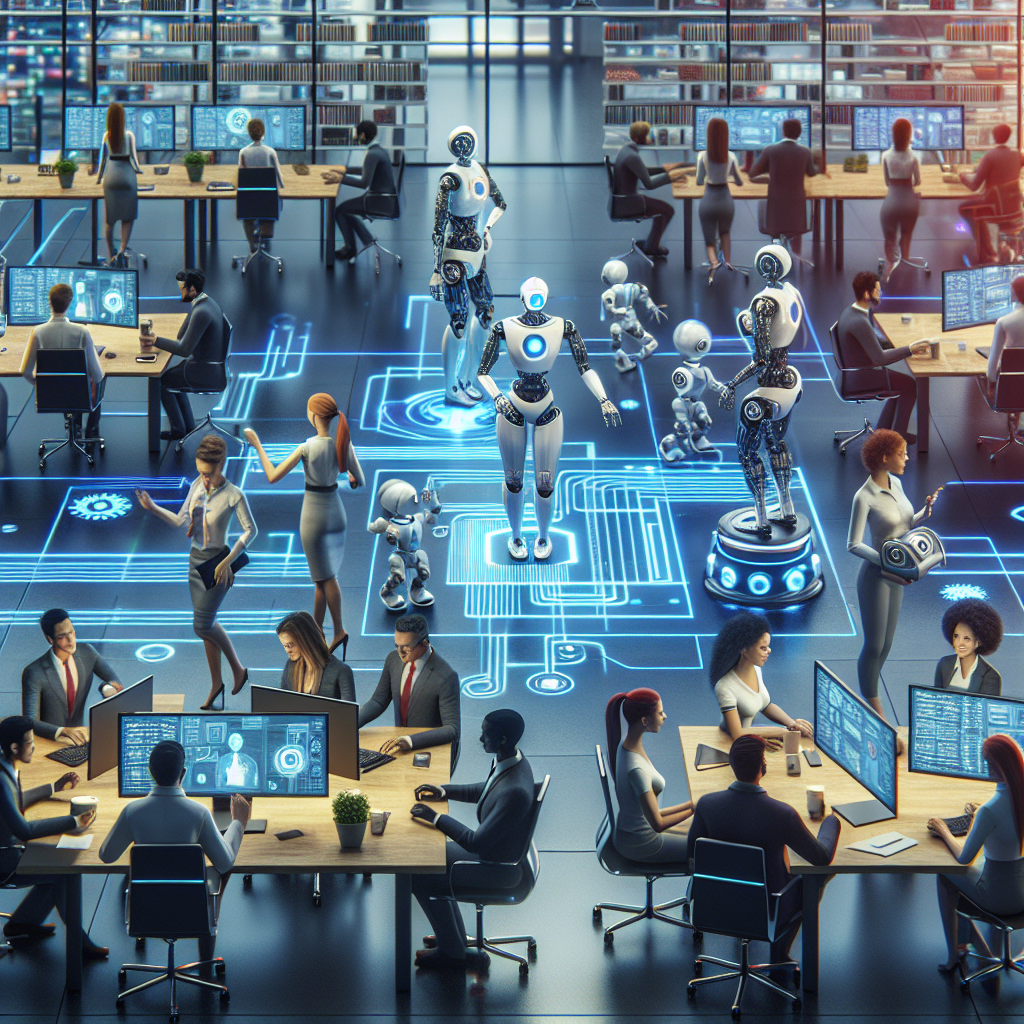
The Rising Influence of AI on Job Markets
The rapid advancements in artificial intelligence (AI) technologies have opened doors to innovation and efficiency like never before. However, this wave of technological evolution also casts a shadow of uncertainty over various job sectors. Recently, renowned entrepreneur Mark Cuban shared insights on how AI could reshape employment landscapes.
The Power and Potential of AI
Before delving into the specifics of the job sectors potentially affected, it’s crucial to understand why AI is a game changer. AI encompasses machine learning, natural language processing, robotics, and data analytics. These technologies can streamline processes, enhance decision-making, and increase productivity across a multitude of industries.
By automating routine tasks and providing insights based on vast datasets, AI empowers companies to operate more effectively. But this shift also raises important questions about the future of certain job roles.
Mark Cuban’s Perspective on Job Sectors at Risk
Mark Cuban, a tech entrepreneur and investor featured on Shark Tank, has always been vigilant about the implications of disruptive technologies. His recent comments highlight specific job sectors that may face significant risks due to the rise of AI:
1. Administrative and Clerical Work
Advancements in AI have introduced tools that can automate repetitive tasks traditionally managed by administrative staff. Cuban predicts that the need for human intervention in basic clerical work will diminish. AI can easily manage scheduling, data entry, and customer inquiries. As such systems become more widespread, the demand for administrative and clerical personnel could potentially decrease.
2. Retail and Customer Service
AI-driven technologies, such as chatbots and automated kiosks, are revolutionizing how businesses interact with their customers. Cuban notes that retail and customer service roles are particularly susceptible to these changes. With AI capable of handling customer queries and processing transactions autonomously, the necessity for human involvement in these areas might be reduced.
3. Manufacturing and Production
The integration of robotics and AI into manufacturing processes presents another critical area of transformation. AI can now carry out tasks from assembling products to maintaining quality control. This ability facilitates more efficient production lines with minimal human intervention. With the rise of smart factories, Cuban predicts that traditional manufacturing jobs could see a decline.
4. Transportation and Logistics
AI’s impact extends to the transportation and logistics industries, where autonomous vehicles and drones are breaking new ground. Cuban highlights that jobs like truck driving and delivery services are among those facing a potential overhaul. As driverless technology improves, it could transform how goods are transported globally, potentially displacing many jobs currently filled by human drivers.
5. Financial Services
AI’s prowess in data analysis and pattern recognition is reshaping the financial services sector. Algorithms are increasingly used in trading, risk management, and even personal finance advising. Cuban suggests that roles requiring substantial input in these areas could be affected, as AI can deliver faster and more accurate financial assessments than humans.
Preparing for the AI Revolution
The inevitable permeation of AI into these job sectors necessitates strategic adaptation. Both individuals and employers must embrace change to remain relevant and competitive.
Upskilling and Reskilling
For employees, gaining new skills and adapting to change are essential strategies. Investing time in learning about AI, data analytics, and cybersecurity, and other burgeoning tech fields can provide a competitive edge. Organizations can facilitate this by providing training programs and encouraging a culture of continuous learning.
Innovative Job Creation
While AI may render some jobs obsolete, it also creates opportunities. New job roles in AI development, implementation, and supervision will surface to fill the gap. Employers should focus on creating positions that harness human creativity and strategic thought—areas where AI is yet to excel.
Strategic Business Transformation
For companies, adapting to an AI-driven landscape is crucial. Leveraging AI to enhance rather than replace human skills may lead to more holistic business growth. Strategic implementation of AI not only improves efficiency but can also lead to innovative product lines and services.
The Future of Work in an AI World
As technology evolves, so too must our approach to work. Cuban’s insights underscore the importance of preparing for the challenges and opportunities AI presents. By equipping ourselves with adaptable skill sets and strategic foresight, we can navigate the tides of change confidently.
The AI revolution is not just about technological advancement; it is also about rethinking how we work and what value human ingenuity brings to an increasingly automated world. Being proactive today can lead to thriving in the workplace of tomorrow.