
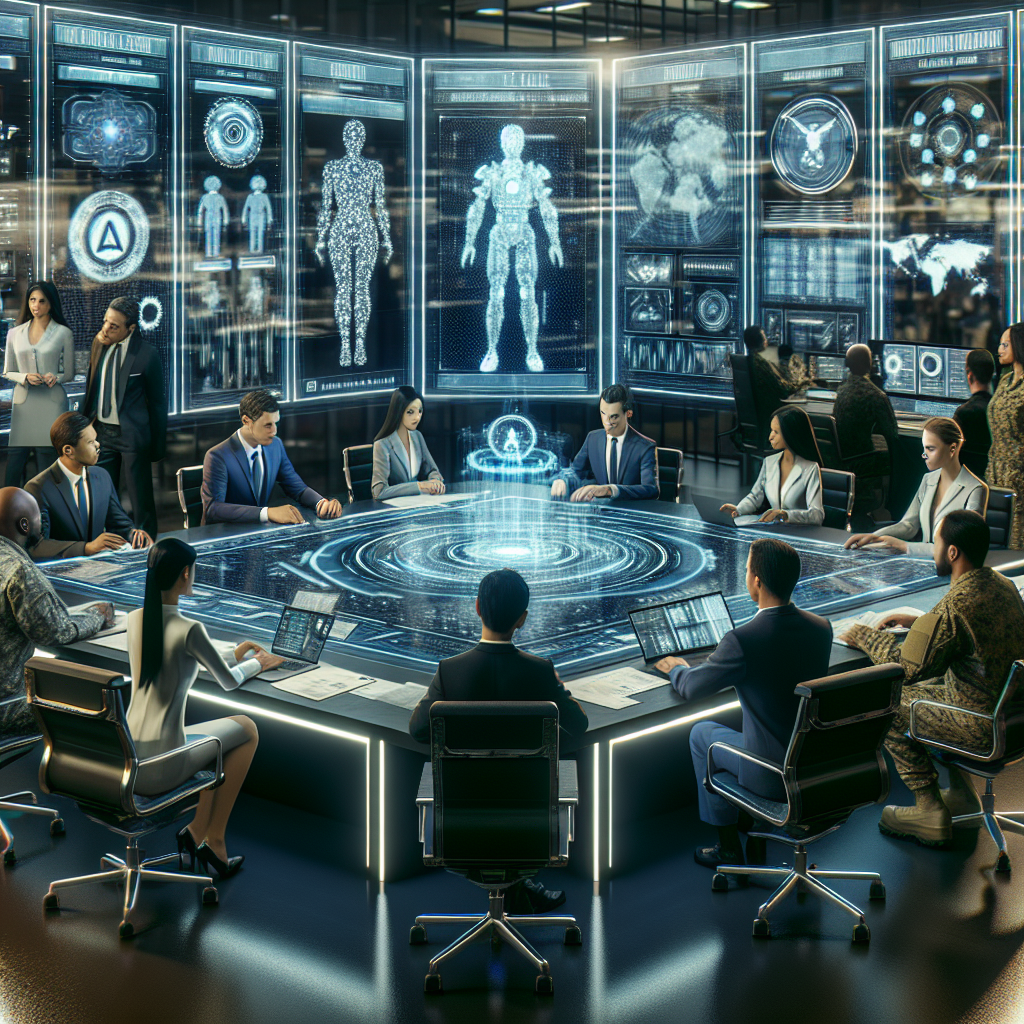
The Vital Intersection of A.I. and Defense Strategy
In recent years, the integration of artificial intelligence (A.I.) in warfare has emerged as a pivotal topic within defense circles. As we delve deeper into the 21st century, the need for innovative solutions to complex military challenges has never been greater. At the heart of this innovation is the Pentagon’s crucial decision on how to incorporate A.I., a technology that promises both tremendous potential and significant ethical dilemmas.
Understanding the Current Landscape
With advances in A.I. technologies, military operations are increasingly digital, networked, and software-dependent. The Defense Department is keenly aware of the transformative potential A.I. holds. However, balancing this potential with the imperative to ensure systems are both safe and secure is a challenge that cannot be overlooked.
The current landscape is characterized by:
- The rapid pace of technological advancement in A.I. capabilities.
- A race among global superpowers to achieve technological superiority.
- Concerns about the ethical implications of autonomous systems in warfare.
These factors contribute to a complex framework within which the Pentagon must operate, requiring decisions that are not only tactical but also strategic in their long-term impact.
The Role of Anthropic AI in Military Strategy
The Defense Department’s conversation around A.I. safety is significantly informed by the research and development efforts undertaken by organizations like Anthropic AI. Focused on creating safe A.I. systems, Anthropic AI aims to establish frameworks that would prevent unintended consequences of deploying these technologies in a military context.
Anthropic AI’s involvement signals a broader trend of collaboration between the government and private sector aimed at enhancing national security. Their objectives include:
- Ensuring that A.I. systems operate reliably under all expected conditions.
- Developing robust A.I. governance models.
- Promoting transparency and accountability in A.I. applications.
The Ethical Dimensions of A.I. in Warfare
Among the many challenges associated with A.I. in modern warfare is the ethical dimension. The deployment of A.I. systems in battlefields presents profound questions about human oversight and accountability. Potential ethical concerns include:
- Autonomous weapons making life-or-death decisions without human intervention.
- The risk of unintended escalation due to unpredictable A.I. behavior.
- Impacts on global warfare dynamics with the deployment of advanced A.I.
The Pentagon’s approach to addressing these issues involves establishing ethical guidelines for A.I. use in warfare. This involves ensuring A.I. systems are not only reliable but also align with the principles of international humanitarian law.
The Global Implications of A.I. Decision-Making
The Pentagon’s decisions regarding A.I. will resonate far beyond the United States. Given the interconnected nature of global geopolitics, any move the U.S. makes in advancing A.I.-driven defense technologies can have a ripple effect worldwide.
Rivalry and Cooperation: As governments pursue competitive advantages through technological superiority, it becomes crucial to navigate the tricky waters of international diplomacy. While A.I. can be an arena of rivalry, it also offers opportunities for international cooperation on safety standards and ethical considerations.
Regulatory Frameworks: There is also a pressing need for global regulatory frameworks that would govern the use of A.I. in military applications. Such frameworks would help to prevent an uncontrolled arms race in autonomous weaponry and ensure that all players adhere to agreed-upon ethical norms.
Conclusion: The Way Forward
As the Pentagon ponders its next steps, it is clear that the integration of A.I. in modern warfare is both inevitable and transformative. However, the manner in which these technologies are deployed will determine whether they lead to greater stability and safety or escalate global tensions.
Thoughtful Governance: Decision-makers must adopt a thoughtful approach to governance, balancing innovation with necessary controls to ensure safety, reliability, and ethical compliance. This calls for a multidisciplinary effort involving policymakers, technologists, ethicists, and military strategists.
Continued Research and Discussion: The dialogue must continue, with dedicated forums and think tanks exploring how best to harness A.I.’s potential while mitigating its risks. Open dialogue and transparent action plans will be key to building trust among global partners and stakeholders.
As we navigate this evolving landscape, one thing remains certain: the importance of A.I. in modern warfare is undeniable, but it is the wisdom of its implementation that will ultimately determine its legacy. By making the right decisions today, the Pentagon has the opportunity to shape a future where A.I. contributes to peace and security, rather than conflict and chaos.