
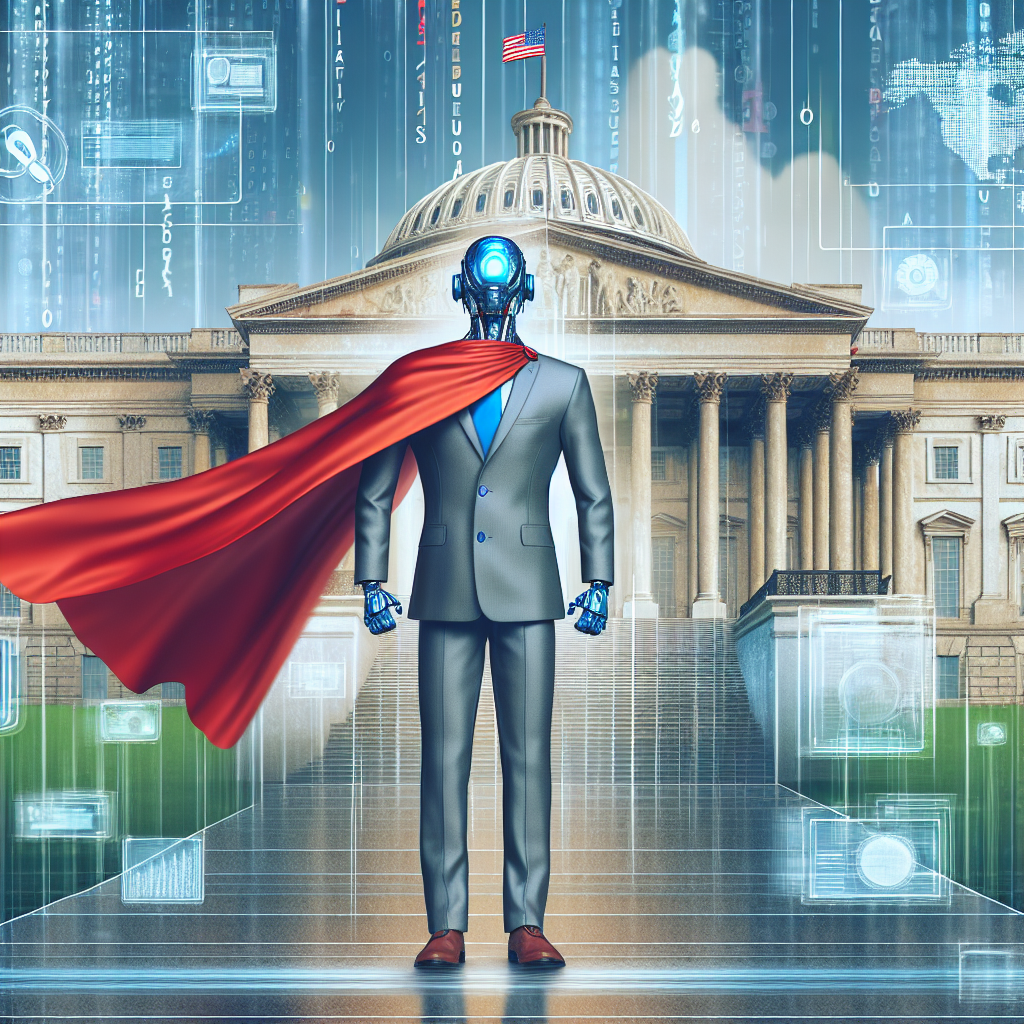
AI Impersonates Trump Official in Shocking News Quiz Reveal
A Startling Twist in the World of AI and Politics
Artificial intelligence is pushing the boundaries of what’s possible — and also what’s acceptable. In a surprising twist that surfaced during NBC News’ weekly news quiz, it was revealed that AI had successfully impersonated a former Trump administration official. The implications of this discovery are wide-ranging, calling into question everything from the role of AI in politics to our collective ability to distinguish real from fake online.
This revelation didn’t just shock audiences — it reignited a nationwide conversation about the increasingly blurry line between genuine content and AI-generated deception.
What Happened in the NBC News Quiz?
NBC News’ recent quiz, which tests readers on their knowledge of weekly headlines, included a curveball: one of the multiple-choice answers led to an unbelievable uncovering.
Here’s what stunned quiz takers:
- One of the responses turned out to be a statement made not by a real political figure, but by an AI-generated impersonation of a former Trump official.
- The AI-crafted statement was so convincing that many quiz-takers believed it was legitimate.
- This wasn’t just a fun trick — it sparked serious discourse around the ethics and power of AI-generated content in media and politics.
Over the past year, AI has been making waves in journalism, politics, and entertainment, but this latest revelation marked a turning point — no longer are these impersonations just harmless experiments; they’re capable of serious influence.
Why This Matters: The Dangers of Deepfake Political Content
While AI-generated voices and deepfake videos may seem like tech novelties, they come with serious risks.
Impersonating political figures with AI could lead to:
- Misinformation spread: Fake quotes or fabricated video clips could mislead audiences and voters.
- Erosion of public trust: If people can’t tell what’s real, trust in genuine news and events may significantly drop.
- Election manipulation: AI can potentially generate damaging content targeting political candidates, fueling disinformation during critical election periods.
The incident in the NBC quiz, though light-hearted in its framing, opened a Pandora’s box of ethical concerns. If quiz-takers — people paying attention to the news — couldn’t tell the difference, what about the broader public?
AI’s Growing Role in Media & Public Discourse
Artificial Intelligence isn’t new to the content creation world. In fact, many newsrooms already use AI-driven tools for headline writing, summarizing data, and even basic news stories. But the line is crossed when AI begins:
- Creating realistic videos or voice content impersonating real individuals
- Producing “fake news” articles indistinguishable from reliable journalism
- Generating social media personas designed to influence opinions and manipulate discussions
In the recent NBC quiz, AI-generated copy went viral — not because it was false, but because it was persuasive enough to seem real. That’s a chilling indicator of what the future may hold.
Who Was Impersonated – And Why It Matters
The quiz didn’t just feature a generic political soundbite. It mimicked a former Trump official — someone whose policies and statements were widely publicized, scrutinized, and debated. The AI model used machine learning algorithms trained on the person’s public speeches and interviews to generate a quote that passed as authentic.
Why this impersonation matters:
- It leveraged a prominent public figure to test the limits of AI believability.
- It highlighted how AI can amplify the personas of controversial figures, making it easier to sway opinions.
- It blurred the ethical boundary between satire, misinformation, and manipulation.
The implications here extend beyond news quizzes. If media consumers are unable to distinguish fiction from reality — even with prominent figures they recognize — democracy might be facing unprecedented risks.
The Ethics of AI and Political Accountability
One major issue with AI impersonation is accountability. When a real politician says something controversial, they can be held responsible. But when AI mimics that person and generates a fake quote or video:
- Who is held accountable?
- What platforms are responsible for identifying and removing deepfake content?
- Is it ethical to use AI for parody or satire when audiences may not be in on the joke?
Even the creators of these AI models are wrestling with these questions as their technology becomes more sophisticated — and more dangerous in the wrong hands.
How to Spot AI-Generated Fakes
So how can the average person avoid being duped by an AI impersonation? Media literacy and technological vigilance are key.
Here are a few tips:
- Check the source: Make sure the quote or clip comes from a credible outlet, not a user-generated meme or questionable website.
- Use AI detection tools: Tools like Deepware Scanner, Sensity.ai, and Hive Moderation use advanced forensics to detect manipulated media.
- Follow the context: If a quote seems overly extreme or out of character, trace it back to its original clip or speech transcript — if it even exists.
- Educate yourself: The more you know about how AI works, the easier it becomes to recognize its fingerprints on fake content.
The Future of AI Regulations in Media
Governments and tech leaders are beginning to realize that the AI genie is out of the bottle. But the race is on to regulate it before more serious damage is done.
Key areas likely to see upcoming legislation:
- Mandatory disclosure: Creators may be forced to tag AI-generated content to alert viewers to its artificial nature.
- Criminal penalties: Deliberately using AI to impersonate public officials for harmful purposes may soon become a criminal offense.
- Platform accountability: Social media giants may face increased pressure to identify and suppress deepfakes and AI-driven disinformation.
While legislation moves slowly, the pace of AI advancement is nothing short of lightning-fast. The question remains: can policies catch up in time?
Conclusion: A Warning Wrapped in Humor
What started as a clever twist in a weekly NBC News quiz has brought national attention to a very real issue: artificial intelligence, when used irresponsibly, can create chaos, manipulate perceptions, and even jeopardize democracy itself.
This event reaffirms the importance of media literacy, digital vigilance, and ethical AI development. Whether it’s a viral quote or a surprising quiz answer, the truth matters — and in the age of AI, discovering it requires sharper tools and smarter audiences.
Stay informed, stay skeptical, and above all, stay aware — the next jaw-dropping political quote you see online might not be real at all.