
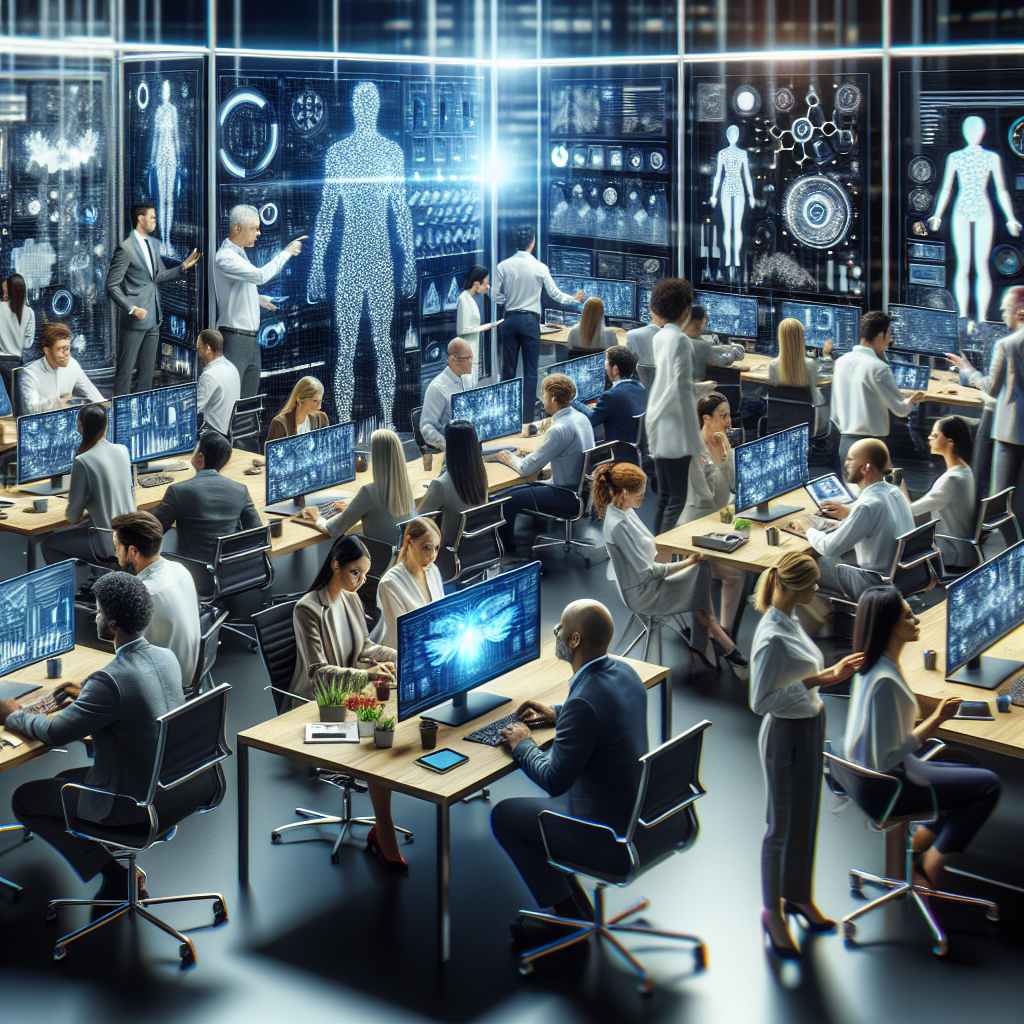
The Double-Edged Sword of AI in the Workplace
Artificial Intelligence (AI) technologies have become deeply integrated into modern workplaces, promising increased productivity and efficiency. However, as the workplace continues to transform with AI’s adoption, many workers find themselves grappling with feelings of overwhelm and stress. This paradox highlights the significant yet complex impact AI has on today’s workforce.
AI as a Productivity Catalyst
AI tools are designed to automate routine tasks, analyze vast datasets, and streamline operations across various industries. These capabilities allow companies to achieve more in less time with fewer human errors. The benefits of integrating AI into workplace processes are numerous:
- Increased Efficiency: AI systems can handle repetitive tasks quickly and with high accuracy, freeing up time for employees to focus on more strategic activities.
- Data-driven Decisions: With AI, businesses can analyze large amounts of data swiftly, providing insights that promote informed decision-making.
- Improved Customer Service: Automated chatbots and AI-driven customer service solutions can manage inquiries 24/7, enhancing customer satisfaction.
Despite these advantages, the rapid advancements in AI have also introduced significant challenges for employees.
The Psychological Impact on Workers
As AI continues to evolve, many employees experience new forms of stress and anxiety that were previously non-existent.
Overdependence on Technology
With AI systems making complex decisions, employees often feel a loss of control over their work environment. This reliance on technology can induce anxiety, particularly in situations where AI is seen as a “black box” with decisions that are not easily understood or questioned by humans. Moreover, if these systems fail, workers may not have the knowledge or skills to intervene, increasing stress levels further.
Increased Workload Expectations
AI might handle straightforward tasks efficiently, but it can also lead to heightened expectations for human workers to perform even more tasks quickly. Employees find themselves needing to adapt to new tools constantly and upskill, which can be overwhelming. The boundary between work and personal life becomes blurred, impacting mental well-being.
Furthermore, the possibility of job displacement due to AI technologies remains a major concern. Workers fear redundancy, leading to increased job insecurity and stress.
Stress from Rapid Technological Change
While companies reap the benefits of AI, workers face the challenge of keeping pace with rapidly changing technology. The continuous need to learn and adapt to new systems creates a persistent stressor.
According to workplace studies, employees often feel ill-prepared to manage AI-related changes, resulting in anxiety over their ability to perform effectively. This pressure can negatively impact job satisfaction and overall mental health.
Mitigating Stress While Leveraging AI
To balance productivity gains with employee well-being, organizations need to adopt strategies that alleviate these stressors and foster an environment where AI enhances, rather than overwhelms.
Comprehensive Training and Support
Organizations should invest in comprehensive training programs that help employees understand and use AI tools effectively. By demystifying AI processes and demonstrating how they complement human tasks, companies can reduce fear and uncertainty among workers. Ongoing support and regular skill updates are crucial in ensuring employees have the confidence and competence to work alongside AI.
Enhancing Communication and Collaboration
Establishing open lines of communication between management and staff about the role of AI and its impact on work can alleviate fears. Encouraging a culture of collaboration and sharing can help employees feel supported and valued. When workers understand how AI is being implemented and can voice their concerns without repercussions, it fosters a more inclusive and supportive workplace culture.
Wellness Programs and Support Systems
Organizations should also focus on the overall well-being of employees by providing resources like stress management workshops and mental health support. Encouraging regular breaks and promoting a healthy work-life balance can help counteract the pressures associated with AI adoption.
Furthermore, involving employees in the planning and implementation of AI projects can ensure their concerns are addressed, and their expertise is utilized, creating a sense of ownership and involvement.
Conclusion: Striking the Right Balance
AI technologies offer unmistakable benefits that can transform business operations, but they also bring about challenges that can hinder employee well-being. To truly harness the power of AI, companies must strive for a balance that nurtures productivity while safeguarding the mental health and job security of their workforce.
Only by addressing these challenges head-on can organizations create an environment where AI serves as a tool for empowerment rather than a source of stress. With the right strategies, tools, and support systems, AI can be a catalyst for not just productivity, but for a sustainable and healthy workplace that benefits both employers and employees alike.