
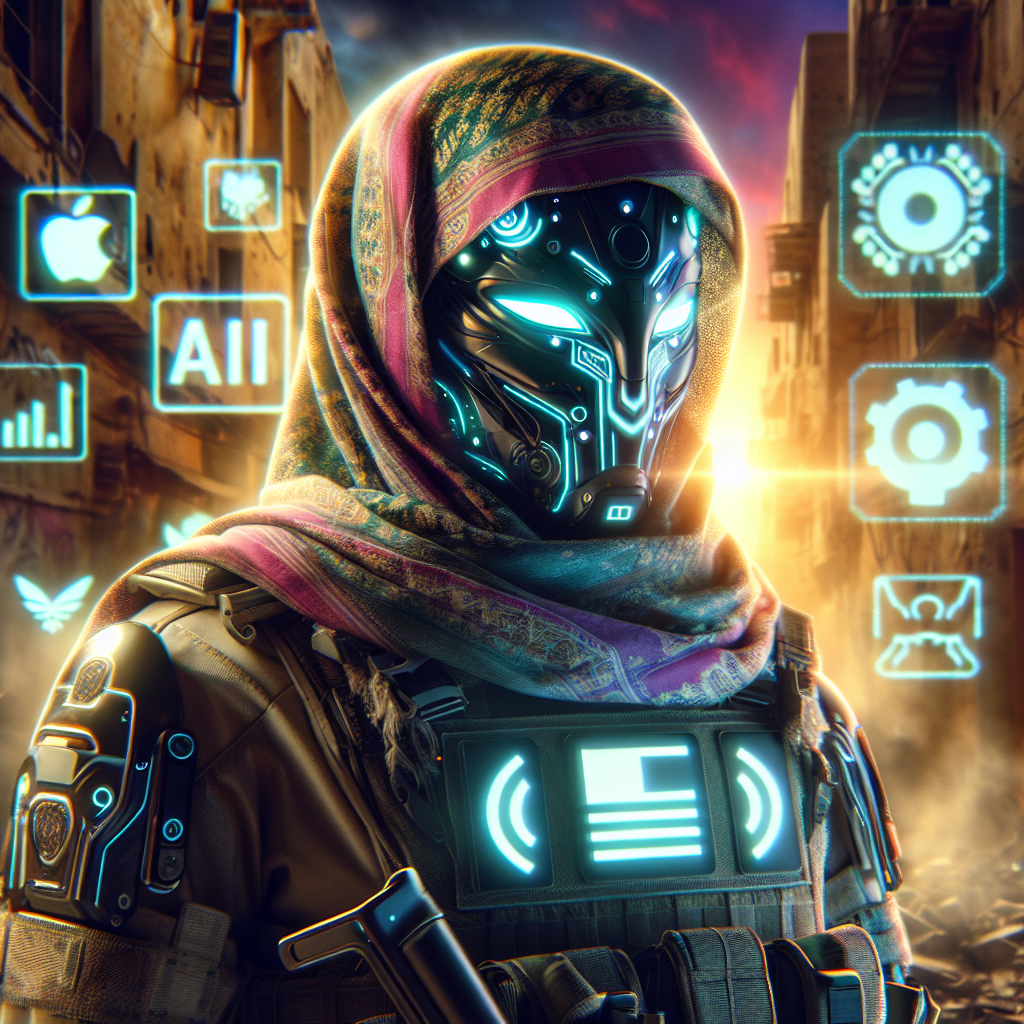
Battlefield 6 Sells AI-Generated Cosmetics Despite Past Promises
In a surprising and controversial move, Electronic Arts (EA) and DICE have found themselves in hot water once again with fans of the popular Battlefield franchise. Just weeks after launching the long-anticipated Battlefield 6, a recent cosmetic bundle stirred backlash when players discovered that parts of it were AI-generated. This decision undermines previous assurances from EA to avoid artificial intelligence in its in-game content creation, reigniting discussions about transparency, quality, and ethical development practices in AAA game design.
The AI Cosmetic Controversy
On July 9th, a cosmetic bundle titled “A.X. Pack” hit the in-game store, offering players a variety of visual enhancements such as weapon skins, badges, and character motifs. However, eagle-eyed community members noticed a peculiar, low-quality tagline associated with one of the stickers: “The A.X. Bunnyslayer is Watching.” Immediately, the phrase raised suspicion as it didn’t align with the creative and thematic quality previously established by DICE’s art team.
Upon closer inspection, fans took the assets into image analysis software and discovered tell-tale signs of generative AI: inconsistent linework, abstract elements lacking purposeful design, and phrases seemingly generated from an AI prompt. DICE later confirmed that parts of the bundle, without proper internal review, had indeed incorporated AI-generated artwork.
Breaking a Previously Stated Promise
What makes the backlash even more intense is DICE’s earlier promise to its fanbase. Prior to the launch of Battlefield 6, during a Reddit AMA and several press briefings, the studio stated that player-facing content would be handcrafted by artists and narrative designers. This assurance was aimed at differentiating their flagship title from others that increasingly use AI to cut development costs—often at the expense of quality.
Yet, this recent misstep directly contradicts those promises.
“We deeply regret the error and are taking steps to ensure that the content players engage with is up to our artistic standards,” reads a statement from a DICE community manager.
The studio further explained that the use of AI assets was “unintentional” and occurred due to internal pipelines not catching placeholder art before its release into the live game environment. However, many fans have criticized this as a failure in quality assurance and questioned whether this was truly unintentional or an overlooked experiment gone wrong.
Community Response: Frustration and Distrust
Unsurprisingly, the revelation sparked outrage in Battlefield’s online forums, Reddit communities, and across social media platforms. Gaming enthusiasts and veteran players accused the developers of deception and cutting corners.
Key complaints from the community include:
- Violated trust: Players feel betrayed by the use of AI after developers explicitly stated otherwise.
- Lack of transparency: The AI usage wasn’t disclosed until fans uncovered it themselves.
- Poor quality: Fans say the AI-generated cosmetics lack the creative flair and polish seen in previous Battlefield games.
Some players have gone as far as calling for refunds for the cosmetic bundle, citing misleading content and broken promises. Others are urging game platforms like Steam or the PlayStation Store to take a closer look at AI-generated content in sold items, calling for regulation or disclaimers to protect consumers.
Why AI in Games Is a Hot-Button Issue
AI tools in the videogame industry have become increasingly sophisticated, giving studios the potential to streamline asset creation, generate textures, and even design full levels. However, many players and artists argue that reliance on AI comes at a price:
- Lower quality: AI-generated art often lacks cohesion and heart.
- Ethical concerns: Many AI tools are trained on copyrighted or stolen imagery from real artists.
- Job displacement: There’s a growing fear that AI tools will lead to layoffs or fewer creative roles in games.
Bigger publishers using AI to cut corners not only diminish the authenticity of their products but also cast a shadow over the real talent employed at their studios. In this case, using AI in Battlefield 6 undermines the integrity of its intricate, realistic world-building—something the franchise has historically been praised for.
EA and DICE Address Damage Control
Following the exposure, DICE released a statement noting that the AI-generated asset was a mistake and that the bundle is being pulled temporarily from the store for quality reassessment. They also promised to re-evaluate their internal content pipeline to prevent future occurrences and reaffirmed their commitment to handcrafted visual designs.
EA has not issued a direct apology as of yet. Some critics see their cautious language as an attempt to avoid legal culpability while still dampening the flames of consumer criticism. Meanwhile, calls for third-party oversight and clearer labeling of AI content in games continue to gain traction across the industry.
What Could Happen Next?
Given the evolving landscape of AI integration in game development, and fan sensitivity to its use, studios are entering a crucial crossroads. The incident in Battlefield 6 might serve as a cautionary tale that risks alienating fanbases when corporations prioritize expedience over transparency and artistry.
Whether EA and DICE will rebuild lost trust remains to be seen. However, the community is watching closely—and it’s clear that future missteps around AI-generated content could trigger even more severe responses.
The Bigger Picture: A Glimpse Into Game Development’s Future
As generative AI tools become more accessible and powerful, the gaming industry must tread carefully. The technology holds incredible potential—from prototyping environments quickly to creating variations of cosmetic assets—but also risks diluting the artistic identity of franchises long defined by human creativity and emotional resonance.
If this incident teaches the industry anything, it’s this:
- Player trust must be earned, and once broken, is difficult to repair.
- Transparency isn’t optional—it’s now expected.
- AI should augment, not replace, human artists.
Final Thoughts
The Battlefield 6 AI cosmetics controversy exposes a deeper tension within modern game development—between innovation and integrity. While tools like generative AI offer exciting efficiencies, when misused or hidden, they turn into trust-eroding liabilities. DICE and EA now face the challenge of making amends, but the community’s message is clear: authenticity matters.
For players and developers alike, this situation emphasizes the need for ethical standards in the use of AI, especially in premium, live-service games that solicit continued investment from their communities. How EA addresses this issue may set the tone for AI’s role in gaming for years to come.