
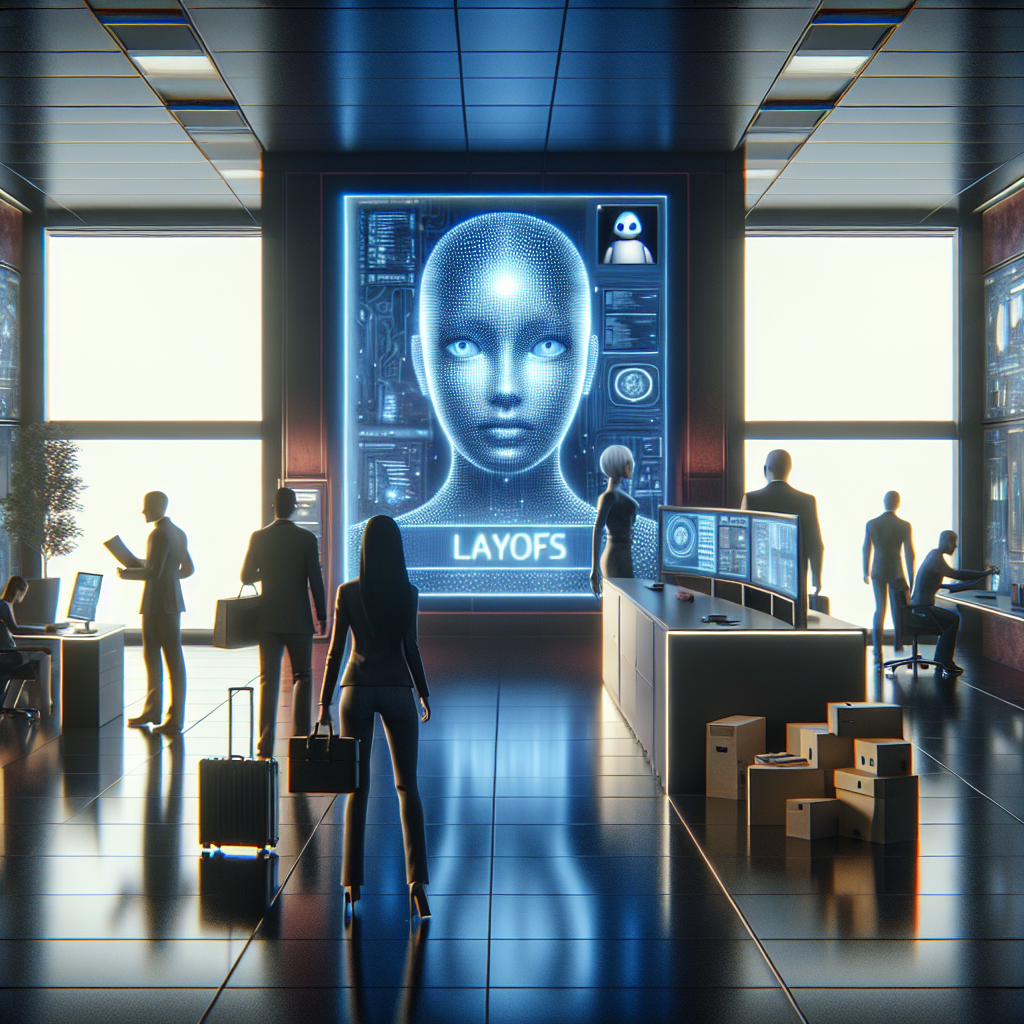
Mass Layoffs at xAI: A Closer Look at the 500 Grok AI Trainer Dismissals
Elon Musk’s xAI, the artificial intelligence company behind the AI chatbot Grok, has recently made headlines with the abrupt layoff of roughly 500 employees responsible for training the platform. Coming just months after xAI was launched as a competitor to other prominent AI innovations like OpenAI’s ChatGPT, this major workforce reduction has caused waves in the tech industry and raised questions about the strategic direction of Musk’s latest venture.
In this post, we’ll dive deeper into the reasons behind the decision, its potential implications on the AI industry, and what it means for the future of Grok and xAI overall.
Why Did xAI Lay Off 500 Grok Trainers?
According to multiple sources, xAI’s decision to lay off over 500 employees happened following a sudden breakdown in internal negotiations. These employees played a critical role in training Grok, the large language model integrated with Elon Musk’s social media platform, X (formerly Twitter).
The layoffs reportedly stem from an internal dispute over compensation and equity. Employees were pushing for improved financial terms, including better salaries and stock options. However, when discussions stalled, Musk pulled the plug, leading to the mass dismissals.
This swift action underscores the fast-paced and often unpredictable management style that Musk is known for. However, it also signals a potential misalignment between strategic business decisions and the value of skilled labor in the AI space.
What Were the Grok AI Trainers Tasked With?
The now-dismissed employees were tasked with providing Reinforcement Learning from Human Feedback (RLHF), a critical aspect of training sophisticated LLMs like Grok. Their responsibilities included:
- Evaluating and curating data sets
- Annotating conversations to guide the model toward desirable responses
- Testing model responses for accuracy and relevance
- Helping fine-tune the model based on real-world interactions
This human-in-the-loop training process is essential for tailoring AI models to better understand and respond to users in natural and meaningful ways. The absence of such contributors could significantly impact Grok’s accuracy and effectiveness in coming updates.
Impact on xAI’s Roadmap and Reputation
The fallout from this decision could stretch far beyond operational hiccups. Layoffs of this magnitude—especially in mission-critical departments—can deeply affect both the trajectory and public perception of a young tech company.
Loss of Expertise
With 500 expert trainers gone, xAI now faces a gap in the human element that was actively shaping Grok’s learning. This could translate into potential delays in rolling out new features, improvements, or versions of the AI. Additionally, replacing skilled AI trainers with comparable talent is neither quick nor easy in an increasingly competitive hiring market.
PR and Trust Issues
Musk’s ventures have often faced criticism for unexpected business decisions. From Twitter’s major reshuffling to Tesla’s public battles, abrupt leadership moves can damage public trust. In this case, potential clients, partners, and users of Grok might think twice about relying on a platform where key contributors were let go without adequate transition planning.
Where Does This Leave Grok?
Powered by xAI’s proprietary models and integrated with Musk’s social platform X, Grok was developed as a more “edgy” alternative to ChatGPT or Google Gemini. While it offers real-time insights and autonomous responses, Grok relies heavily on continuous supervision and refinement—exactly the kind of work the dismissed trainers were performing.
Now, with their departure, concerns are emerging regarding:
- Increased hallucinations from the AI model (nonsensical or incorrect outputs)
- Reduced speed of updates and innovation cycles
- Lower user satisfaction over time due to quality degradation
For an AI platform still in its growth and trust-building stage, these risks could significantly slow user adoption and market competitiveness.
Industry Implications: What This Means for AI Development
The incident sheds light on an ongoing debate in the AI world: the balance between automation and human oversight. While AI models appear self-sufficient on the surface, they are deeply reliant on continual human feedback to remain ethical, responsive, and safe.
Musk’s decision to lay off such a large human training unit suggests either a shift toward automating the training process internally or a cost-cutting impulse that may not align with the industry’s best practices. Other companies, such as OpenAI and Anthropic, continue to heavily invest in human feedback teams to ensure responsible deployment.
Will More AI Companies Follow Suit?
It’s unlikely. Most major AI firms emphasize the indispensable role human trainers play in scaling large language models. The layoffs at xAI could, however, set off cautious conversations around over-reliance on founder-led decision-making and the need for more robust internal governance in young AI startups.
Conclusion: xAI at a Crossroads
The mass layoff of 500 Grok AI trainers marks a pivotal moment for Elon Musk’s xAI. On one hand, it reflects a bold, albeit controversial, leadership choice that may pave the way for restructuring or a new phase of development. On the other, it risks hindering the functionality, ethics, and trustworthiness of the Grok platform and possibly tarnishing xAI’s credibility in an increasingly scrutinized industry.
Whatever the future holds, this recent move is a reminder that even the most advanced AI still relies heavily on human insight—and removing that layer can come with steep consequences.
Stay tuned as the AI landscape continues to evolve and the story of xAI’s Grok takes its next twist.