
Understanding Gen Z’s Growing Anxiety About Artificial Intelligence
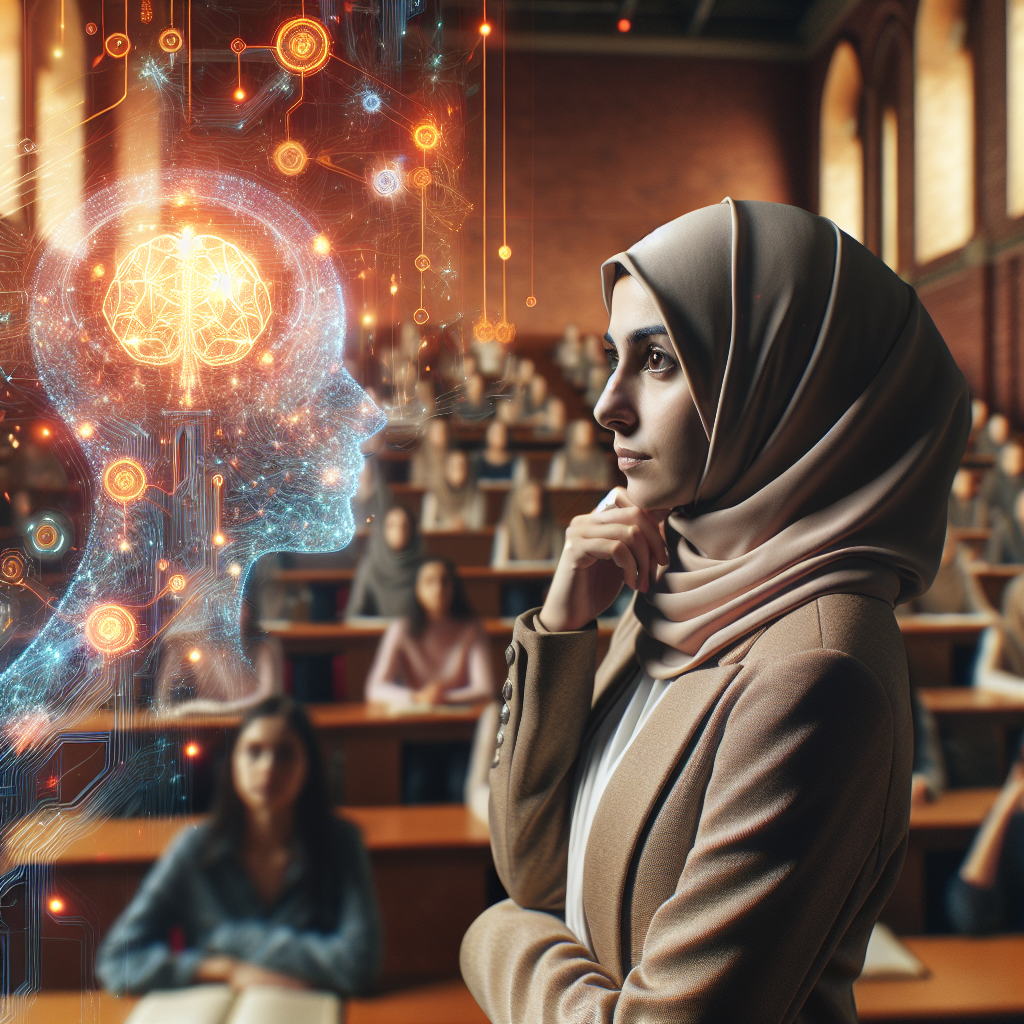
As artificial intelligence continues to evolve and integrate into nearly every aspect of our lives, younger generations are beginning to express deep levels of concern—particularly Generation Z. According to Dartmouth professor Nathan Sanders, Gen Z is voicing fears about AI’s unchecked impact on humanity, with unprecedented urgency.
Why Gen Z Is Especially Worried About AI
Gen Z, born between the mid-1990s and early 2010s, has grown up during a technological boom. Unlike previous generations, they’ve watched the internet become ubiquitous, smartphones turn into digital extensions of self, and now AI making decisions once left to humans. This constant immersion in technology gives them a unique vantage point on AI’s potential and its risks.
Professor Sanders noted a sharp shift in student sentiment at Dartmouth. Many students no longer view AI as futuristic or neutral. Instead, they are expressing existential concerns—fearing that rapid AI advancements could:
- Undermine interpersonal human relationships
- Erode the value of human labor and creativity
- Lead to misinformation and manipulation through deepfakes and AI-generated content
- Push society toward a loss of autonomy and individuality
The Influence of Social Awareness and Climate Anxiety
Gen Z is widely regarded as the most socially conscious generation to date. With heightened exposure to global crises such as climate change, economic instability, and political turmoil, Gen Z already carries a significant emotional burden. The uncontrolled rise of AI is emerging as yet another overwhelming challenge for many of them.
Sanders observed that students often discuss AI in relation to ethical accountability. They question not only what AI is capable of, but who decides how it is used. There’s a real concern about AI reinforcing existing inequalities and being controlled by a small set of corporations with little regulation or oversight.
Common Themes in Gen Z’s Fears About AI
The growing unease among Gen Z students isn’t limited to job displacement or economic repercussions. They’re asking deeper, more philosophically rooted questions about identity, humanity, and society’s direction. Here are the key themes emerging from their concerns:
1. Loss of Human Connection
AI-powered bots, virtual assistants, and even AI-generated friends like Replika are replacing elements of human interaction. While these technologies offer convenience and escapism, Gen Z fears they may ultimately replace authentic relationships.
“Will we still need each other?” is a common question Sanders says he hears from students. This reflects a growing anxiety that AI could devalue genuine human presence and erode emotional intelligence across generations.
2. Job Insecurity and the Nature of Work
Automation has long threatened low-skill occupations, but Gen Z is increasingly aware that AI is beginning to outperform even high-skill roles in content creation, programming, and decision-making.
This leads to legitimate concerns, such as:
- What does a meaningful career look like in the age of AI?
- Will my education still matter?
- Can I compete with machines in a digital marketplace?
Professor Sanders suggests that these fears stem from a desire not just for employment, but for purpose. The idea of creativity and critical thinking being replaced by algorithms strikes at the core of Gen Z’s values.
3. Digital Identity and Surveillance
Another concern is the erosion of privacy and consent in a world where AI systems collect, analyze, and infer intimate information about individuals. Gen Z students, already cautious about their digital footprints, question how AI might compromise their autonomy even further.
With generative AI capable of creating highly realistic content, students are aware that personal data can easily be manipulated or exploited. This introduces fears of digital impersonation, the spread of falsehoods, and a loss of control over one’s own narrative.
Calls for Ethical Responsibility and AI Literacy
Despite their anxiety, Gen Z is not resigning themselves to a dystopian future. In fact, many are becoming more engaged in advocating for responsible AI development. According to Sanders, students want to play a proactive role in shaping how AI is integrated into society.
They’re calling for:
- More transparency in how AI systems are trained and deployed
- Stricter regulation to prevent corporate misuse of AI technology
- Development of AI tools that align with human values and rights
- Ethics education embedded into STEM and computer science programs
Sanders points out that younger generations want leaders and institutions to be more accountable. They’re not content with top-down decisions from Big Tech; instead, they want a seat at the table when it comes to crafting AI policy and innovation.
Building Resilience for an AI-Driven Future
Education plays a critical role in framing how AI is perceived. Sanders believes that students should be encouraged to engage with AI in both critical and creative ways. This doesn’t mean only warning them of its risks—it also means empowering them to become builders, designers, and regulators of the future AI landscape.
Developing “AI resilience” means equipping students with:
- A baseline understanding of how AI works
- Awareness of its ethical implications
- Skills to work alongside, rather than be replaced by, intelligent systems
Conclusion: Gen Z’s Fears Are a Call to Action
It’s easy to dismiss youthful concerns about technology as exaggerated or naive, but Professor Sanders argues that Gen Z’s fears reveal deeper truths about our societal trajectory. As AI becomes more embedded into everyday life, their caution serves as a powerful check-and-balance against blind innovation.
Rather than seeing these fears as resistance to change, we should interpret them as a plea for accountability, inclusivity, and humanity in the AI conversation.
Ultimately, the way we address AI concerns today—through ethical design, inclusive policymaking, and transparent education—will shape not just the future of work and communication, but the very essence of human identity in the digital age.