
How AI Is Transforming Childhood Learning and Development
Artificial Intelligence (AI) is no longer a futuristic concept—it’s here, embedded deeply into our daily lives, and increasingly, it’s influencing how children grow, learn, and interact with the world. As algorithms become more sophisticated and digital tools gain prominence in classrooms and homes, the developmental journey of childhood is being rewired in transformative ways.
The Emergence of AI in Childhood Education
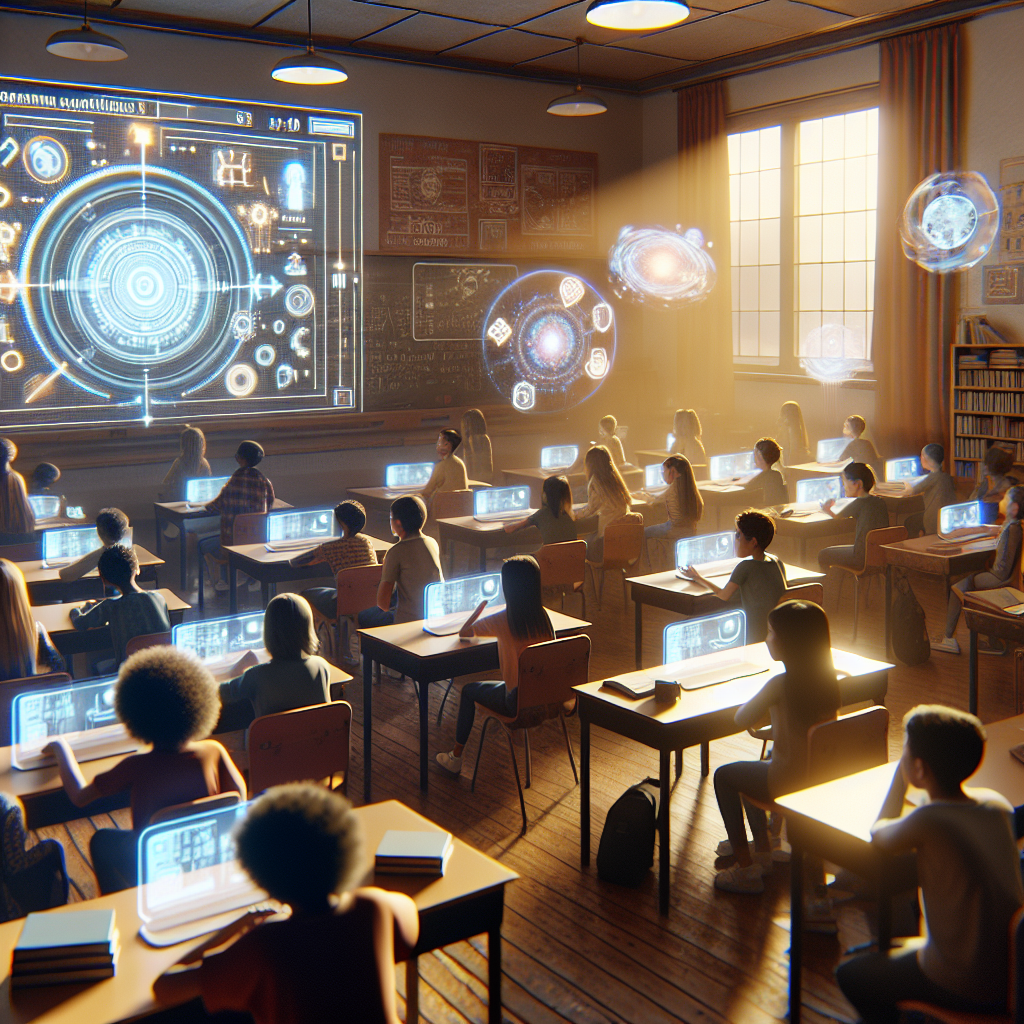
From adaptive learning platforms to virtual tutors, AI technologies are reshaping traditional education models. These tools are not merely add-ons; they are becoming central to how children learn foundational skills and engage with educational content.
Adaptive learning systems personalize education by analyzing a child’s progress in real-time and adjusting content accordingly. Systems like Lexia, DreamBox, and Khan Academy utilize machine learning to tailor educational material to a student’s pace, strengths, and weaknesses. This results in:
- Greater engagement due to personalized learning paths
- Improved outcomes through efficient feedback loops
- Inclusivity for learners with diverse needs and learning styles
These platforms are enabling children to become autonomous learners much earlier than in previous generations, empowering them with tools that promote self-guided academic growth.
The Impact of AI on Cognitive Development
AI tools influence not just what children learn but how they learn. By interacting with AI-based educational games and assistants such as ChatGPT, kids are developing cognitive skills in new ways. For example, natural language processing enables children to ask questions and receive detailed, age-appropriate explanations in real time.
Some key enhancements to cognitive development through AI include:
- Faster problem-solving skills with instant feedback and adaptable challenges
- Increased curiosity as AI responds to their questions with intelligent, engaging content
- Exposure to diverse viewpoints through multilingual and multicultural AI systems
Moreover, AI can recognize when a child is struggling and intervene with supplemental material or tutoring support, reducing the odds of them falling behind during critical developmental stages.
AI’s Role in Social and Emotional Development
AI’s reach extends into the social and emotional dimensions of child development, areas once thought to be uniquely human. Modern AI companions and digital assistants are becoming more emotionally intelligent, able to recognize mood patterns, facial expressions, and speech cues.
For instance, social robots like Moxie and Cozmo interact with children through games and storytelling, aiding socialization and empathy development. While these interactions differ from peer-to-peer contact, they can help children build confidence and communication skills, especially for those with social anxiety or neurodiverse conditions such as autism.
Key contributions of AI to emotional development include:
- Teaching empathy and emotional recognition through interactive roleplaying
- Supporting mental wellness by identifying emotional distress and providing coping strategies
- Reducing isolation through conversational AI companions that simulate friendship and supportive dialogue
Though promising, it raises questions about how these relationships might affect human empathy and interpersonal bonds in the long term—a concern that educators and parents must navigate carefully.
Changing Parental and Educational Roles
AI is not just transforming children—it’s reshaping the roles of parents and educators too. With tools that analyze performance, track progress, and suggest learning strategies, adults are becoming more like learning facilitators than traditional instructors.
Parental involvement is evolving as apps offer real-time insights into a child’s learning journey. Teachers, meanwhile, are increasingly adopting AI-driven tools to handle administrative work, allowing them to focus on pedagogy and student engagement.
Benefits of this transformation include:
- More informed teaching strategies based on real-time performance analytics
- Early detection of learning difficulties, enabling timely intervention
- Greater work-life balance for educators as AI handles routine tasks
However, relying heavily on AI can also lead to a dependency that might dull certain human instincts vital to teaching—such as intuition, compassion, and nuanced judgment.
Ethical Concerns and the Road Ahead
Despite its benefits, incorporating AI into childhood development is not without challenges. Issues of data privacy, consent, and algorithmic bias must be addressed. Children’s data, if mishandled, can be exploited for commercial gain, raising alarm bells for privacy advocates and parents alike.
In addition, many AI systems are trained on data that may not reflect the cultural or linguistic diversity found across the globe. This can potentially reinforce gender, racial, or socioeconomic biases.
Mitigating these risks will require:
- Transparent AI development with oversight from diverse ethicists and child development experts
- Regulations focused on child safety and data protection
- Inclusive design frameworks to ensure global applicability and fairness
Policymakers, tech companies, and educators must collaborate to create ethical guidelines that protect children while promoting innovation.
Conclusion: A New Digital Frontier
The integration of AI into childhood learning and development is reshaping the early years in remarkable ways—fostering personalized education, enhancing cognitive and emotional growth, and guiding human interaction in new digital environments. While the road ahead is filled with ethical complexities, the potential benefits of correctly harnessed AI are vast.
What remains critical is ensuring that as we move into this new frontier, technology is used to elevate—not replace—the invaluable human components of childhood: curiosity, imagination, empathy, and connection.
Parents, educators, policymakers, and developers must work together to ensure that AI is used responsibly—shaping a future where every child benefits from the best of both human and machine intelligence.