
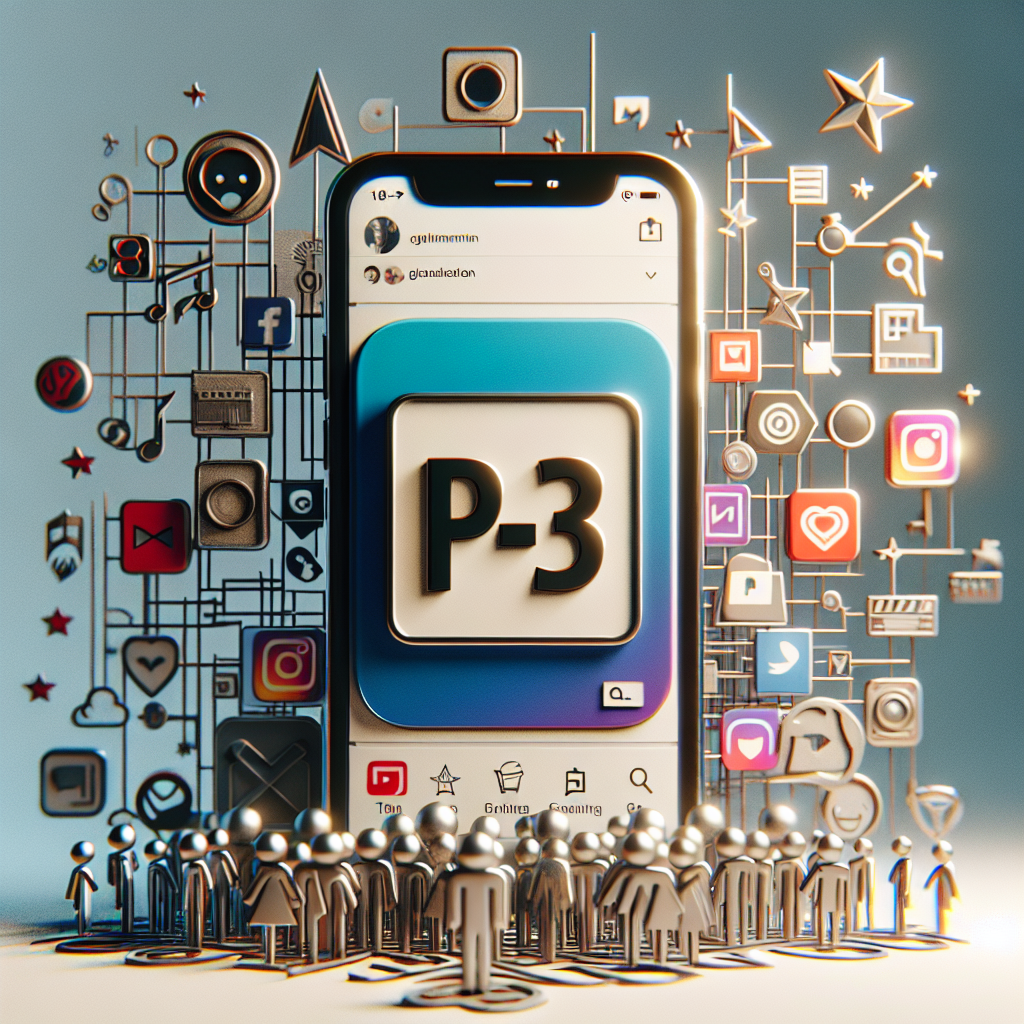
Instagram’s Transformation: What the New PG-13 Era Means
Instagram has long been a digital playground for users of all ages, shaping social media trends, influencer culture, and online identities. But in a bold pivot announced recently, the platform’s parent company, Meta, is redefining the user experience through the introduction of a new “PG-13” content rating system. This sweeping change is not just a technical update — it’s a significant cultural and ethical shift in how the app will moderate and present content. So, what exactly does this mean for users, creators, and advertisers?
Why Instagram Is Going PG-13
In response to mounting pressure from regulators, child safety advocates, and global digital rights organizations, Meta is taking steps to make Instagram a more conscious, curated space. Studies have consistently shown that young users, especially teenagers, are vulnerable to mental health challenges exacerbated by social media exposure. Negative body image, cyberbullying, and addictive patterns of use have all been linked to unrestricted and often hyper-sexualized or harmful content on the platform.
To address this, Instagram plans to implement a default PG-13 content filter — similar to a movie content rating — designed to offer a safer, age-appropriate experience for users under 18. Adults can still opt to switch to a more open content view, but the PG-13 mode will be the default for most users.
What Content Will Be Filtered?
The details of which content is deemed “PG-13” are still being fine-tuned by Meta’s moderation team, but the filters are expected to address the following categories:
- Partial Nudity or Sexual Suggestiveness: Images and videos that heavily emphasize sexuality, even indirectly, may be suppressed or blurred for PG-13 audiences.
- Violence and Graphic Content: Footage depicting physical violence or emotionally intense scenarios may be restricted.
- Self-harm, Eating Disorders, and Sensitive Mental Health Topics: Posts that even subtly promote unhealthy behaviors are at risk of being de-prioritized or removed entirely.
- Inappropriate Language: Captions or comments containing explicit or harmful language may be filtered or flagged.
This will influence not only what appears on the Explore page or Reels but how posts surface in a user’s feed.
What This Means for Creators
Perhaps the most affected group in this transformation will be content creators and influencers, many of whom have built massive followings through bold, edgy, and provocative posts. The shift to a PG-13 model means creators will need to recalibrate their strategies if they want to continue reaching audiences — especially the younger demographic that often drives social trends.
Impacts May Include:
- Reduced Visibility: Content flagged as inappropriate may not appear in the Explore tab or may be hidden from users under 18, impacting reach and engagement.
- Algorithm Re-prioritization: Posts not aligned with the PG-13 guidelines could be demoted by Instagram’s algorithm.
- Brand Sponsorship Challenges: Advertisers and sponsors may favor influencers who maintain “family-friendly” image curation to avoid PR risks.
This doesn’t necessarily mean the end for bold creators, but it does mark a significant change in how they must navigate platform restrictions to stay relevant and monetized.
Safer Digital Environments for Teens
The PG-13 Instagram isn’t merely about censorship — it’s about reshaping the digital landscape to foster healthier online environments for younger users. As Meta rolls out this system, the platform will offer new tools for parents and guardians, including:
- Stronger Parental Controls: Allowing guardians to manage what types of content their teens can see.
- Enhanced Reporting Systems: Teens can quickly report inappropriate content, which will be processed under stricter scrutiny.
- Content Warnings and Transparency: Posts that receive PG-13 labels might come with warnings or options to view or pass, increasing awareness before engagement.
Digital literacy and mental health education will be baked into the platform’s future updates — a much-needed change amid years of criticism over Instagram’s effects on teens’ self-worth and behavior.
How Brands Are Adjusting Their Strategies
For brands heavily reliant on Instagram marketing, the shift to PG-13 adds complexity, but also opens up new opportunities for credibility and positive user experience. Advertisers may turn to cleaner campaigns, use more purposeful messaging, and prioritize partnerships with influencers willing to align with Meta’s new values.
Expect marketing trends to emphasize:
- Safety and Inclusion: Being more sensitive to the emotional and psychological impact of content.
- Authenticity: Polished perfection may take a backseat to real, honest storytelling that aligns with PG-13 guidelines.
- Interactive Tools: Polls, quizzes, and stories that engage without depending on shock value or edge-driven aesthetics.
As advertisers adjust, there might be a short-term dip in returns for edgier brands — but long term, this could foster a more loyal, trusting user base.
The Bigger Picture: Social Media’s Moral Realignment
Instagram’s PG-13 transformation is part of a broader industry reckoning about the role of social media in young people’s lives. With mounting regulatory oversight looming, from the EU’s Digital Services Act to U.S. child safety proposals, Meta’s decision represents a preemptive response to public criticism and a growing demand for ethical tech.
Critics argue that Meta’s past hesitance has allowed harmful content to proliferate for too long. However, supporters of the PG-13 policy view it as an opportunity to create more sustainable, psychologically safe digital spaces — particularly for the next generation of users joining platforms earlier and earlier.
Final Thoughts
As Instagram ventures into its newly defined PG-13 era, it signals both an evolution in digital content moderation and a cultural shift toward responsibility. It’s no longer just about freedom of expression — it’s about intentional design tailored to protect vulnerable users while enabling creativity in a responsible framework.
For users, creators, brands, and beyond, the upcoming changes may present challenges, but they also offer a chance to rebuild Instagram into a platform that balances entertainment with well-being. The question now is not whether Instagram can change — but how deeply users will embrace this new, more thoughtful approach to engagement.