
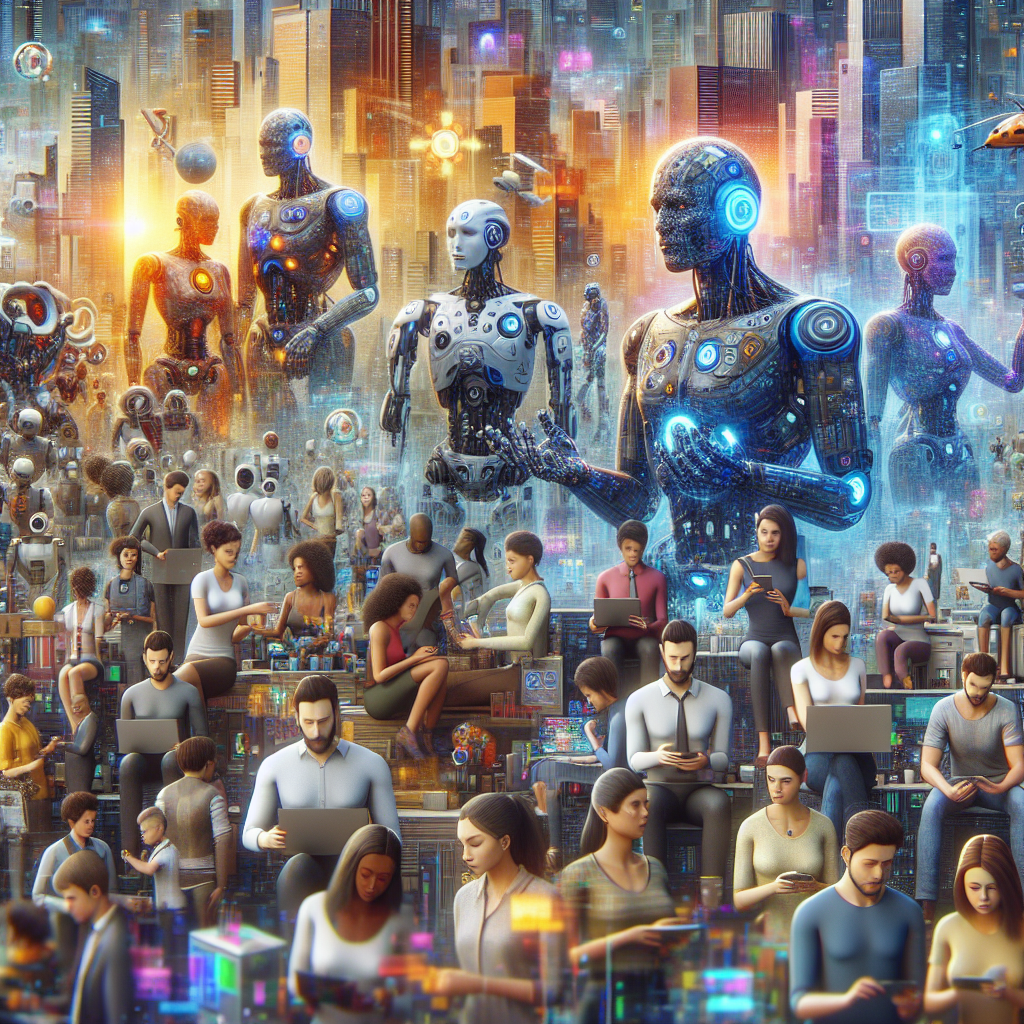
The Hidden Long-Term Impact of AI-Induced Job Loss on Individuals
The rapid advancement of artificial intelligence (AI) technology has transformed various industries, promising increased efficiency and reduced operational costs. However, while companies are reaping the benefits, the potential downsides, particularly the AI-induced job losses, present a serious challenge. Understanding the hidden long-term impacts of these job losses on individuals is crucial for shaping policies and preparing societies for the future workforce landscape.
The Rise of AI and its Economic Implications
AI technology isn’t just a buzzword; it’s a transformative force reshaping the economic landscape worldwide. Its integration into sectors such as manufacturing, finance, healthcare, and transportation is significantly altering how businesses operate. These advancements lead to automation of routine tasks, streamlining processes, and reducing human error. While this progression fosters efficiency, it also triggers a wave of job displacement, leaving many to grapple with job insecurity and uncertain futures.
Displacement vs. Job Creation: A Double-Edged Sword
One of the most significant debates surrounding AI-induced job loss is whether the technology creates more jobs than it replaces. On the one hand, AI automation displaces low-skilled jobs, particularly those involving repetitive tasks. On the other hand, new job opportunities arise in developing, managing, and maintaining AI systems, which tend to require a higher skill set.
However, the rapid pace of AI adoption often outstrips the ability of displaced workers to transition into these new roles. The result is a skill mismatch, where workers may lack the necessary expertise to fill emerging positions, leading to long-term unemployment or underemployment.
Psychological and Social Consequences of AI-Induced Job Loss
The loss of one’s job due to AI automation can have profound psychological and social impacts on individuals. Job loss is more than just a financial setback; it can significantly affect one’s sense of identity, self-worth, and social status.
Psychological Effects
- Stress and Anxiety: Unemployment can lead to heightened levels of stress and anxiety as individuals struggle with financial instability and uncertainty about their future.
- Depression: The loss of employment can affect self-esteem and lead to feelings of inadequacy, resulting in depression.
- Identity Loss: Many derive a sense of identity and purpose from their work. Unemployment disrupts this source of fulfillment, leading to an identity crisis.
Social Implications
- Erosion of Social Networks: Work environments are often a primary source of social interaction. Loss of a job means the loss of these networks, leading to isolation.
- Family Strain: Financial difficulties stemming from job loss can strain family relations, leading to increased conflict and stress.
- Community Impact: High levels of unemployment can destabilize communities, influencing crime rates and social cohesion.
Long-Term Career Prospects and Wage Stagnation
AI-induced job loss doesn’t just create immediate challenges; it can have cascading effects that influence individual career prospects over the long term. Regaining employment after displacement can sometimes result in accepting lower wages or positions not in line with one’s skill set, leading to wage stagnation and curtailed career advancement opportunities.
Wage Stagnation
Job displacement due to AI often forces individuals to accept positions in sectors with lower demand or lesser pay. As more displaced workers flood these lower-skilled job markets, wages are driven down, exacerbating economic inequality and making it harder for affected workers to achieve their previous standard of living.
Policy Solutions and Skill Development
To mitigate the adverse effects of AI-induced job losses, concerted efforts from policymakers and businesses are essential. Preparing the workforce for the AI-driven economy can ease transitions and reduce long-term harm.
Government Interventions
- Education and Training Programs: Investing in training initiatives can help workers develop skills needed for high-demand roles in AI technology and related fields.
- Unemployment Benefits: Enhancing unemployment benefits and safety nets can provide immediate relief to displaced workers, allowing them the financial stability to seek retraining opportunities.
- Labor Market Policies: Implementing policies encouraging job creation in sectors less susceptible to automation, such as the creative or care economies.
Corporate Responsibility
Businesses that benefit from AI advancements can also play a role in workforce transition. Corporate social responsibility initiatives can include:
- Retraining Programs: Companies could offer training programs to upskill current employees displaced by automation.
- Inclusive Hiring Practices: Actively seeking to employ displaced workers in new roles can prevent long-term unemployment and skill erosion.
Concluding Thoughts: Navigating the AI Landscape
The hidden long-term impact of AI-induced job loss on individuals is multifaceted, affecting economic, psychological, and social wellbeing. Stakeholders, including policymakers, businesses, and educational institutions, must collaborate to create environments conducive to adaptation and growth for displaced workers. Through strategic interventions, we can work towards a future where AI technology enhances human potential, rather than supplanting it. The key lies in proactive measures, ensuring that the transition into the AI era is inclusive and beneficial for all.