
“`html
Americans Prefer In-Home AI Over Large Data Centers Nearby
As artificial intelligence becomes ever more intertwined with our daily lives, we are witnessing a shift in public sentiment towards how and where these technologies operate. The rise of AI technologies brings into focus the infrastructure required to support them. This conversation has grown increasingly louder with many Americans voicing concerns over the construction of large data centers in their communities. Instead, they prefer the convenience and privacy that in-home AI solutions offer.
The Growing Demand for AI Technologies
There is little doubt that the demand for AI technologies is skyrocketing. Whether it is virtual assistants like Google Assistant and Alexa, or sophisticated AI solutions in healthcare and finance, the applications are vast and varied. AI is no longer seen as a futuristic concept; it is an integral part of today’s technology ecosystem.
With this demand, however, comes the need for powerful data processing capabilities. Data centers are often considered the backbone of AI, providing the computational power necessary to run these advanced algorithms. This has led to an increase in the construction of data centers across the United States, designed to keep up with the burgeoning needs of AI development.
Public Opposition to Data Centers
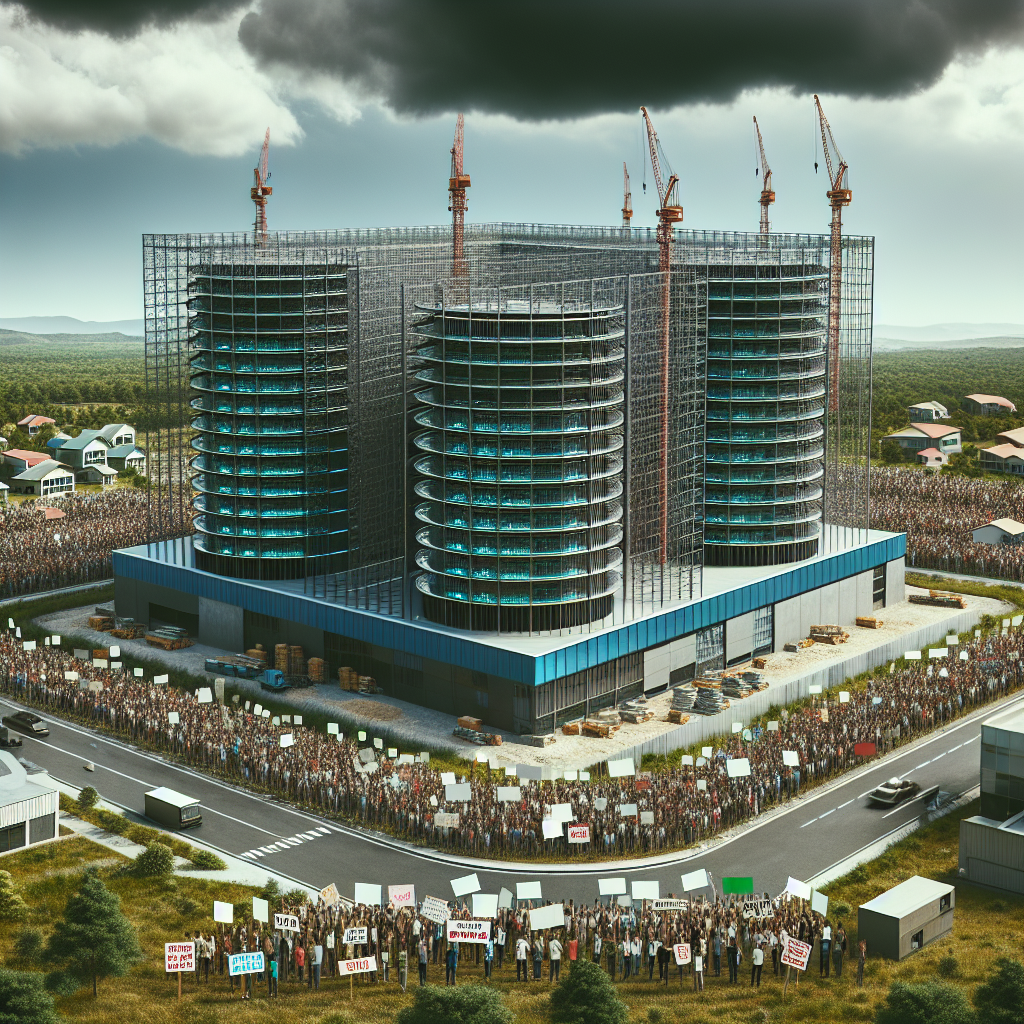
Despite their essential role in supporting AI technologies, data centers often face public opposition for a variety of reasons:
- Environmental Impact: Data centers consume large amounts of energy and water, contributing significantly to carbon footprints. Concerns over energy efficiency and sustainability are paramount.
- Noise Pollution: The cooling systems essential for maintaining the servers can produce significant noise, disrupting nearby communities.
- Land Use: The construction and operation of data centers can commandeer large tracts of land that some feel could be better utilized for residential or recreational purposes.
- Traffic Congestion: The movement of equipment and the workforce necessary for maintaining these centers can increase traffic in areas not equipped to handle higher volumes.
The resistance is not without its merits, as communities often balance the benefits of technological advancement with the quality of life impacts that come hand-in-hand with industrial developments.
In-Home AI: A Favorable Alternative
As opposition to large data centers grows, many Americans are shifting their focus towards in-home AI solutions. These personalized, often cloud-based technologies offer a range of benefits that make them increasingly attractive.
Convenience and Accessibility
In-home AI systems provide immense convenience. Whether through smart home technologies or personalized digital assistants, these tools allow users to manage their environment with ease. From controlling lighting and temperature to managing schedules and shopping lists, in-home AI is designed to enhance daily living efficiency.
Privacy Concerns
Privacy remains a significant consideration for many users when it comes to AI technologies. In-home solutions often give users a feeling of greater control over their data. By keeping AI interactions and data processing within the home, individuals feel better assured of their privacy and security, knowing they have more defined control over who accesses their data and how it is used.
Reduced Infrastructure Footprint
Unlike large data centers that require substantial infrastructure, in-home AI systems typically rely on existing internet connections and devices, resulting in a significantly smaller physical and environmental footprint. This aspect not only appeals to environmentally conscious individuals but also aligns with the broader goal of achieving sustainability.
The Balancing Act: Local Economic Growth vs. Public Preferences
Data centers undeniably bring economic benefits. They create jobs, generate significant direct and indirect revenue, and often result in infrastructure improvements. Due to these reasons, they can be appealing to local governments and economies seeking growth.
However, striking a balance between these economic advantages and public preferences for personal data management and environmental concerns remains a challenging endeavor. Communities and developers must work closely to ensure that developments align with local values while providing opportunities for economic prosperity. Strategies might include:
- Increased Transparency: Open communication around the impacts and benefits of data center construction to address public worries.
- Exploring Renewable Energy Sources: Leveraging solar, wind, or other clean energy sources to power these centers sustainably.
- Innovative Design: Developing architectural solutions that minimize noise and environmental impact.
The Future of AI Infrastructure
The future of AI infrastructure is likely to be shaped by the dynamic interplay between technological innovation and public sentiment. While data centers are essential for the continued growth of AI, their development must consider the values and preferences of the communities they serve.
Ultimately, it comes down to a collaborative effort involving policymakers, community leaders, environmentalists, and tech developers to find innovative solutions that balance all stakeholders’ interests. As Americans increasingly voice their preference for in-home AI, the message is clear: technological advancement should not come at the expense of community well-being and personal privacy.
Conclusion
The demand for AI technology will undoubtedly continue to grow, and with it, the need for supporting infrastructure. However, public preference for in-home AI over large data centers presents an opportunity to innovate and refine how we integrate technology into our lives. Striking the right balance will be key in ensuring that the benefits of AI are realized without compromising the values of local communities or the environment.
By actively listening to public opinions and addressing concerns through transparent and sustainable practices, we can create a future where technology and community values coexist harmoniously.
“`