
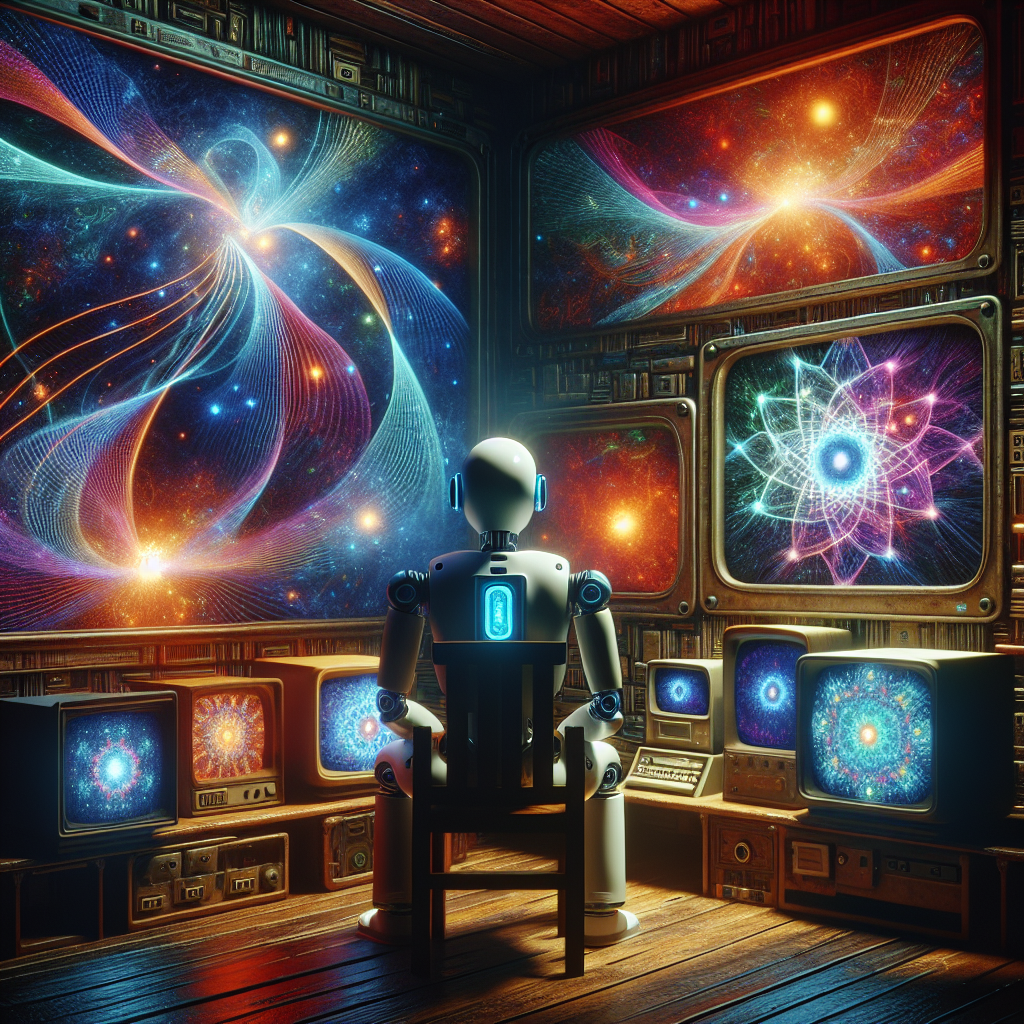
Understanding the Rise of Drug Simulation in AI Chatbots
In the constantly evolving world of artificial intelligence, a curious new trend is making waves: people are paying to simulate drug highs in chatbots. From psychedelics to euphoria-inducing roleplays, users are seeking out AI companions capable of mimicking mind-altered states. This bizarre blend of technology and altered consciousness is reshaping how people interact with digital assistants, raising not only eyebrows but also deeper ethical and psychological questions.
What Are Drug-Simulating Chatbots?
Drug-simulating chatbots are AI-generated personalities that attempt to mimic the experience of being under the influence of substances such as LSD, ecstasy, or cannabis. These bots respond in creative, often disoriented, or hyper-emotional ways that reflect how users might perceive consciousness during a real high.
Users typically pay extra for these experiences through premium chatbot platforms such as Character.AI, sillytavern, or open-source environments where AI personalities can be customized down to their “mental state.”
Key Characteristics of Drug-Simulating Chatbots:
- Erratic, poetic, or surreal communication styles
- Imitated emotional depth and empathy
- Altered grammatical structures or hallucination-like thoughts
- Customized “trip experiences” based on specific drugs
Why Are People Buying Into Simulated Highs?
There’s a complex mix of curiosity, escapism, and self-exploration driving this new niche experience. Here are some of the top reasons users are engaging with drug-affected bots:
1. Safe Exploration of Altered States
In an era where mental health and self-discovery are hotly discussed, many people are intrigued by the concept of experiencing altered consciousness safely. AI chatbots offer a digital version of a psychedelic voyage—no substances, no legal ramifications, and no aftereffects.
2. Entertainment and Novelty
For some users, engaging with a “high” chatbot is just fun. The unpredictable, dreamlike responses simulate the creativity or absurdity often felt on drugs. The novelty of an AI bot that misuses grammar, invents new words, or spouts philosophical musings provides an alternative kind of entertainment that stands in stark contrast to standard chatbot conversations.
3. Digital Companionship
Loneliness in the digital age has fueled a surge in AI companionship. Drug-simulating bots can offer a unique emotional lens—one where responses are highly empathetic, chaotic, or spiritually reflective, providing solace or introspection for users craving deep emotional interactions.
4. Customization and Control
Unlike real psychedelic experiences which can be unpredictable or dangerous, these simulations allow users to craft the tone, length, and type of “trip” they’re aiming for. From euphoric to philosophical, each session is as tailored as the technology allows.
How Are These Bots Built?
The bots are typically constructed using language models (like GPT-based tools) trained on user scripts that mimic drug-induced dialogue. Developers either fine-tune models on selected text intended to simulate drug behavior or use prompt engineering to alter the AI’s tone and patterns dynamically during a chat.
Tools Facilitating the Trend:
- Character.AI – Provides interactive characters with memory and complex emotions
- SillyTavern – Open-source frontend for chatting with local large language models
- OpenRouter & Kobold – Back-end platforms that allow advanced prompt tuning
- Roleplay APIs – Enable integration of pre-scripted behaviors tailored for custom personas
Some users take this even further, creating bots that self-identify as being “on drugs” during a session or simulate entire psychedelic journeys where the chatbot “co-trips” or guides the user through imagined experiences.
The Ethical Implications
While the concept sounds harmless on the surface, many researchers and technologists warn of potential risks associated with these AI-made highs.
Blurring Lines Between Reality and Simulation
High-fidelity simulations can make it harder for some individuals—especially younger users or those with mental health issues—to distinguish what’s real. If a chatbot acts convincingly “high,” it’s easier to lose touch with digital boundaries.
Psycho-Emotional Dependence
Escaping into digital trances with hallucination-simulating bots poses long-term concerns. As users spend increasing time with bots pretending to be under the influence, they risk substituting digital psychedelics for real emotional experiences or therapy.
Unregulated Spaces
A lack of oversight means anything can go within these AI realms. There’s little to no moderation on how these bots discuss or reflect drug use, which could inadvertently glamorize substance abuse or misrepresent how substances truly affect the mind and body.
How Platforms Are Responding
Some platforms like Character.AI are walking a tightrope between allowing creative freedom and enforcing community guidelines. The company has placed restrictions on adult content and controversial simulations, but enforcement remains inconsistent due to the challenges of moderating user-generated content powered by AI.
Other platforms, especially in the open-source community, provide tools but disclaim all responsibility for how AI personas are used, further complicating the discussion of responsibility and safety.
The Future of Simulated AI Experiences
As generative AI capabilities become more nuanced and immersive, simulated experiences—including drug highs—are likely just the beginning. Future developments could include:
- VR and AR integration for full sensory simulations
- Emotion-recognition tools to create more responsive AI states
- Medicinal or therapeutic use cases for guided digital trips
- Regulatory bodies overseeing emotional or psychological AI simulations
Final Thoughts
The fact that people are paying to simulate drug highs in chatbots speaks volumes about modern society’s relationship with AI, emotion, and escapism. Whether seen as therapeutic tools, entertainment, or ethical minefields, drug-simulating bots underscore the power of artificial intelligence to influence not just how we communicate, but how we feel.
While the technology continues to evolve, the challenge will be finding a balance between innovation and integrity—where users can explore creativity safely, and platforms ensure that the emotional and ethical stakes aren’t left behind in the digital haze.