
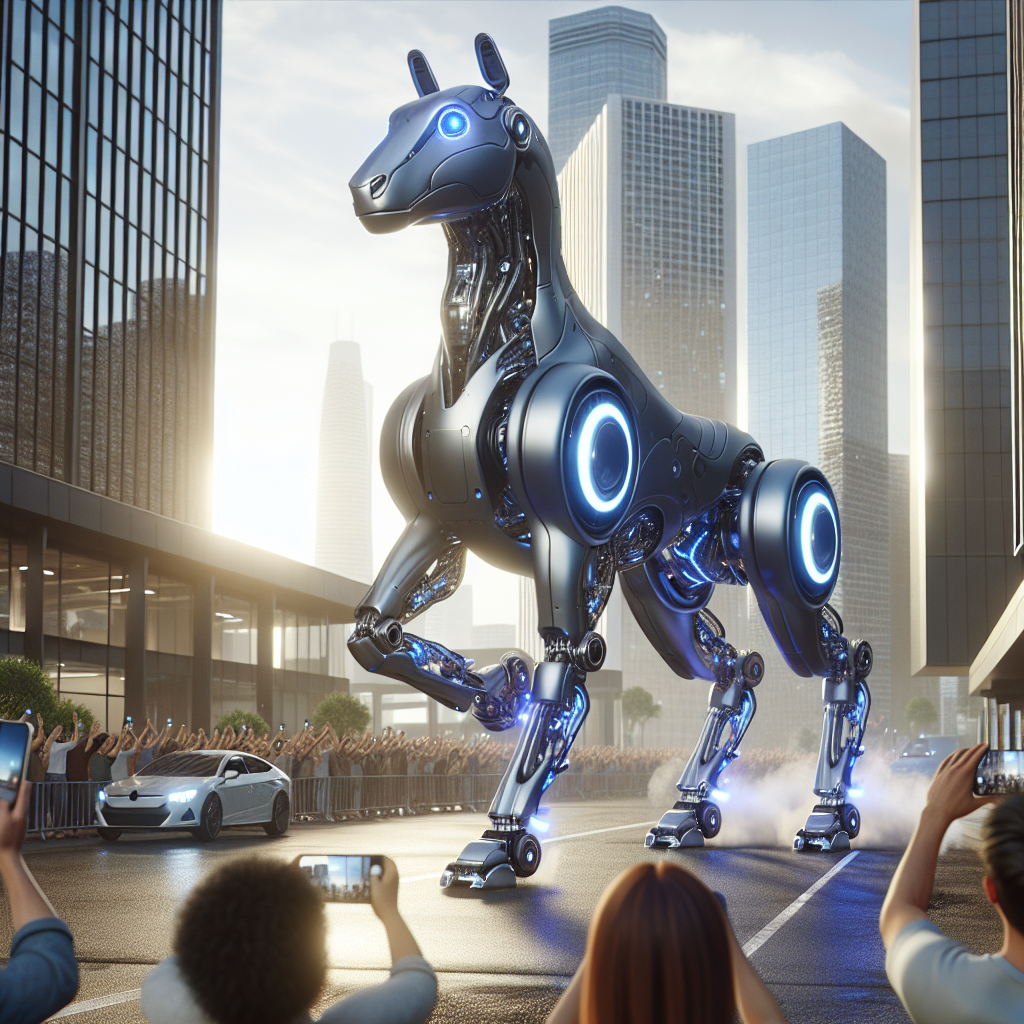
Xpeng Unveils Viral Humanoid Robot Iron at AI Day
Xpeng Robotics Steps Boldly into the Future
Chinese electric vehicle maker Xpeng made headlines at its AI Day event with the jaw-dropping debut of its new humanoid robot, dubbed “Iron”. The robot quickly went viral after videos surfaced showing it autonomously walking and maintaining balance — a remarkable feat in the humanoid robotics space.
Xpeng, known for its EVs and smart mobility solutions, is now pushing boundaries by expanding into advanced robotics through its subsidiary, Xpeng Robotics. The unveiling of Iron underscores the company’s vision for a seamless integration of AI, autonomous systems, and human-machine interaction.
Iron: A Vision of Tomorrow’s Humanoid Robotics
The humanoid robot Iron has captivated tech enthusiasts and the media due to its eerily lifelike movement and technological sophistication. Standing roughly the size of a human adult, Iron walked out on stage at the AI Day presentation on two legs, drawing gasps and applause.
According to Xpeng Robotics, Iron is designed with the intent to become a “household companion and dexterous assistant.” The goal isn’t just for Iron to walk—it’s to interact, assist, and co-exist with humans across varied environments.
Key features of Iron include:
- Advanced dynamic walking – Iron is capable of stable, autonomous movement over uneven surfaces.
- Vision-based navigation – Equipped with multiple cameras and sensors to perceive and respond to its environment.
- Dynamic arm control – Iron can move its arms with surprising fluidity, hinting at future utility for domestic or service-based tasks.
- AI interaction – Iron can process vocal commands and potentially exhibit emotional response based on AI deep learning models.
The Viral Sensation: Why the Internet Can’t Stop Watching
Within hours of the reveal, video footage of Iron walking went mega-viral on Chinese social media platforms like Weibo and quickly spread internationally. The robot’s smooth gait, startling fluidity, and physical balance distinguish it from many of its counterparts.
Observers compared Iron to creations from industry titans like Boston Dynamics and Tesla, noting that while it may not match these firms in commercial deployment yet, its movement alone is a major milestone.
What Sets Iron Apart in the Competitive Robotics Field?
Xpeng’s Iron enters a crowded yet still-evolving field of humanoid robotics, where other major tech firms like Tesla (with Optimus) and Honda (with ASIMO) have made strides. However, Iron brings a few unique aspects to the table:
- Vertical integration with EV tech – Thanks to its automotive background, Xpeng can utilize existing AI driving technologies for robotic navigation.
- Lightweight form factor – Despite its functionality, Iron appears lightweight and potentially more energy-efficient.
- Family and home-focused UX – Unlike many robots that lean industrial, Iron is being positioned for domestic life.
Xpeng’s Strategic Shift Beyond EVs
Xpeng Robotics was founded as a spin-off startup in 2016 and officially became a standalone company in 2021 with the backing of major investors. CEO He Xiaopeng described Iron as a part of a grander vision to build an “intelligent ecosystem of mobility and service robots” that includes cars, robotics, and AI platforms.
This presentation at AI Day revealed just how seriously Xpeng views its push beyond the EV sector. By introducing Iron, Xpeng joins a growing list of mobility companies leveraging their technological base to leap into new verticals.
Will Iron Be Available to the Public?
Currently, there is no specific launch date set for Iron’s commercial availability. Xpeng Robotics stated that the robot is in the early stages of development and testing, which means deployment is likely several years away.
However, the buzz surrounding Iron’s debut may accelerate investments and R&D as the company refines the model for potential future rollout.
Challenges Ahead for Humanoid Robotics
While Iron’s debut is impressive, the road to creating a fully functional, commercially viable humanoid robot is fraught with challenges. These include:
- Energy efficiency – Keeping robots powered for long durations without bulky batteries is a major engineering hurdle.
- AI adaptability – Robots must adapt not just to changing physical environments, but also social and contextual variations in homes or public spaces.
- Affordability – Making humanoid robots accessible and cost-effective for ordinary consumers will be critical for wide adoption.
Still, Xpeng appears undeterred. The company likens the current state of humanoid robotics to “the early days of the smartphone,” where exponential growth emerged from rapid innovation and mass adoption curves.
Global Implications of Iron’s Reveal
Xpeng’s humanoid robot showcase comes at a time when China is investing heavily in frontier technologies to stay ahead in AI, robotics, and automation. Iron could symbolize a broader national push for dominance in next-generation tech arenas.
Globally, Iron also nudges the conversation forward about ethical AI, labor replacement, and what roles robots should—or shouldn’t—play in human society.
How Will Robots Like Iron Change Daily Life?
Iron’s humanoid frame and voice-interaction capabilities suggest a future where robots assist in daily chores, eldercare, and even education. Key potential use cases include:
- Elder care and companionship: Helping senior citizens with physical tasks and loneliness.
- Smart home integration: Acting as the physical interface for home sensors and appliances.
- Customer service: Replacing or augmenting human workers in brick-and-mortar environments.
Conclusion: The Dawn of a New Era?
With its viral debut, Iron has pushed Xpeng to the forefront of humanoid robotics innovation. While the robot is still in its early stages, the level of development shown suggests not only potential, but intention. Xpeng isn’t just dipping its toes into the robotics pool—it’s making a cannonball splash.
As Iron evolves, it could set the tone for the next decade of human-machine collaboration, not just in China, but globally. Whether we welcome humanoid robots into our households or workplaces remains to be seen—but thanks to Xpeng’s Iron, that future just became a little more real.